

Welcome to
Nevada County Real Estate: Insider Insights, Market Moves & Must-Knows

A Brief History of Grass Valley, California
Explore the history of Grass Valley, California—from its Gold Rush beginnings and famous hard-rock mines to its Cornish heritage, historic downtown and transformation into the vibrant Nevada County community it is today.

A Brief History of Grass Valley, California
April 8, 2025
A Brief History of Grass Valley, California
Grass Valley is known today for its historic downtown, locally owned businesses, wooded neighborhoods and strong sense of community. Beneath its small-town character is a remarkable history shaped by Indigenous people, the California Gold Rush, immigrant families and more than a century of hard-rock mining.
Understanding this history helps explain the architecture, traditions, neighborhoods and historic landmarks that make Grass Valley such a distinctive place to live.
Here are some of the most important chapters in the city’s story.
Before the California Gold Rush
Long before miners and settlers arrived, the western foothills of the Sierra Nevada were home to the Nisenan people.
Nisenan communities lived throughout what is now Nevada County, relying on the area’s rivers, forests, wildlife and seasonal plants. The arrival of settlers during the Gold Rush brought dramatic changes to the land and permanently disrupted the lives of the Indigenous people who had lived here for generations.
Recognizing this earlier history is an important part of understanding Grass Valley and the surrounding region.
How Grass Valley Got Its Name
According to local history, early settlers camped near Greenhorn Creek while traveling through the Sierra foothills. Their cattle reportedly wandered into a nearby grassy valley where the grazing was better.
That grassy area, located near Wolf Creek, provided a convenient place to establish homes, businesses and supply centers. The name “Grass Valley” eventually became associated with the growing settlement.
Gold discoveries would soon transform the quiet valley into one of California’s most important mining communities.
The Discovery of Hard-Rock Gold
Grass Valley’s rapid growth began after gold was discovered in quartz near what became the Empire Mine in 1850.
Unlike communities built primarily around placer mining, where miners searched streams and riverbeds, Grass Valley became a center of hard-rock mining. Gold-bearing quartz veins extended deep underground, requiring miners to construct shafts, tunnels, pumps and stamp mills.
As the mines expanded, Grass Valley developed into a commercial center serving miners, workers and their families. Hotels, stores, schools, churches, boarding houses and other businesses were established throughout the community.
Grass Valley’s Major Gold Mines
The Empire Mine
The Empire Mine became one of the oldest, deepest and most productive gold mines in California.
It operated for more than 100 years and produced approximately 5.8 million ounces of gold before closing in 1956. Beneath the property are an estimated 367 miles of abandoned and flooded mine workings.
Today, the property is preserved as Empire Mine State Historic Park. Visitors can explore historic mine buildings, equipment, gardens and the former country estate of mine owner William Bourn Jr.
The North Star Mine
The North Star Mine was another major gold producer and an important center of mining technology.
Its powerhouse used Pelton water wheels to generate power for mining operations. The surviving powerhouse now contains the North Star Mining Museum and one of the largest Pelton wheels ever constructed.
The Idaho-Maryland Mine
The Idaho-Maryland Mine also played an important role in Grass Valley’s economy. At different points in its history, it was among the most productive mines in the district.
Together, the Empire, North Star and Idaho-Maryland mines helped establish Grass Valley as one of California’s leading hard-rock gold-mining communities.
Grass Valley’s Cornish Heritage
Mining deep underground required specialized knowledge. Many of the people with that experience came from Cornwall, England, where generations of families had worked in tin and copper mines.
Cornish miners brought valuable knowledge of underground excavation, ventilation and mine drainage. Cornish pumping systems made it possible to remove water from increasingly deep shafts and continue following the gold-bearing quartz veins.
The Cornish community became an important part of Grass Valley. By some estimates, people of Cornish ancestry represented more than half of the local population by the 1890s.
Their influence is still visible through Cornish Christmas, St. Piran’s Day celebrations, traditional music and the continued popularity of the Cornish pasty. Grass Valley’s connection to Cornwall is also recognized through its sister-city relationship with Bodmin, England.
A Diverse Mining Community
Although Grass Valley is especially known for its Cornish heritage, people from many backgrounds helped build the community.
Italian, Chinese, Jewish, African American and other immigrant and pioneer families worked in and around the mines, operated businesses and established homes throughout the area.
Historic photographs, documents, maps and artifacts connected to these communities are preserved by the Nevada County Historical Society and local museums.
The Development of Downtown Grass Valley
As the mining industry prospered, Mill Street and Main Street became the commercial center of Grass Valley.
Businesses supplied the mines and provided goods, lodging and services to workers and their families. Residential neighborhoods gradually developed around the downtown area and near the major mine properties.
Grass Valley was formally incorporated as a charter city on March 13, 1893.
Many of the older commercial buildings and homes that remain today reflect different periods in the city’s growth. Their architectural details help give downtown Grass Valley its distinctive historic character.
Famous Grass Valley Residents
Grass Valley’s history includes more than mining.
Internationally known entertainer Lola Montez lived on Mill Street during the 1850s. Her young neighbor, Lotta Crabtree, later became one of the most popular American entertainers of the late 19th century.
The former homes associated with both women are recognized as California Historical Landmarks and remain part of Grass Valley’s cultural story.
The Nevada County Narrow Gauge Railroad
Grass Valley was once connected to Colfax and the larger railroad system by the Nevada County Narrow Gauge Railroad.
The railroad operated from 1876 until 1942, carrying passengers, mail, mining equipment and freight through the foothills. It played an important role in connecting Grass Valley’s mines and businesses with regional markets.
The Nevada County Narrow Gauge Railroad Museum now preserves equipment, photographs and historical records from this era.
Grass Valley After the Mines Closed
Grass Valley’s economy changed substantially after World War II.
Rising operating expenses and other economic pressures made gold mining less profitable. The area’s major mines eventually closed during the 1950s, affecting employment and businesses throughout the community.
Grass Valley gradually developed a more diverse economy based on healthcare, manufacturing, technology, tourism, retail and professional services.
During the late 1950s and early 1960s, the city also became an unexpected center for video and broadcast technology. This emerging industry helped Grass Valley transition beyond mining and established connections between local companies and customers around the world.
Where to Experience Grass Valley’s History
Several local destinations provide a closer look at the people, industries and events that shaped the community:
Empire Mine State Historic Park
North Star Mining Museum
Grass Valley Museum
Historic Mill Street and Main Street
Lola Montez House
Lotta Crabtree House
Nevada County Narrow Gauge Railroad Museum
Nevada County Historical Society archives and walking tours
These locations help bring Grass Valley’s history to life through preserved buildings, mining equipment, photographs, personal belongings and historical records.
How History Still Influences Grass Valley Real Estate
Grass Valley’s past continues to influence the city’s homes, neighborhoods and land.
Properties near downtown may include historic architecture, smaller lots and easy access to shops and restaurants. Homes farther from the city center may be located near former mines, historic roads, old ditches or railroad routes.
When purchasing an older or rural property, buyers may want to consider:
The age and condition of the home
Previous additions or alterations
Permit history
Historic mine locations
Wells, septic systems and private roads
Drainage and topography
Easements and access
Insurance availability
Defensible-space requirements
Historical character can add charm and distinction to a property, but every home should still be evaluated based on its current condition and the buyer’s intended use.
The Bottom Line
Grass Valley is much more than a surviving Gold Rush town. It is a community shaped by Indigenous history, underground mining, immigrant families, technological innovation and generations of local residents.
Its historic buildings, neighborhoods, cultural traditions and preserved mining sites continue to connect the city’s past with its present.
If you’re considering buying, selling or investing in Grass Valley, I’d be happy to help you better understand its neighborhoods, properties and unique local considerations.
Evan Glasco
REALTOR® | DRE Lic. 02209690
Residential & Commercial Real Estate
Coldwell Banker Grass Roots Realty
530-635-2521
EvanSellsRealEstate@gmail.com
EvanSellsRealEstate.com

Renting vs. Buying a Home in Nevada County
🏡 Renting vs. Buying in Nevada County – Which is Right for You? 💰
Should you keep renting or take the leap into homeownership? With rising rental prices and increasing home values, many buyers in Grass Valley, Nevada City, and Truckee are wondering if buying makes more sense financially.
In this blog, I break down the pros and cons of renting vs. buying, compare monthly costs, and help you decide which option fits your lifestyle and financial goals.
📍 Read now to see if buying a home is the right move for you!

Is It Better to Rent or Buy a Home in Nevada County?
April 8, 2025
Renting vs. Buying a Home in Nevada County: Which Is Right for You?
If you’re deciding whether to rent or buy a home in Nevada County, you’re not alone. Housing costs, interest rates, insurance availability and your future plans can all affect which option makes the most sense.
Buying isn’t automatically better than renting, and renting isn’t necessarily “throwing money away.” The right choice depends on your finances, lifestyle and how long you expect to remain in the area.
Here are the most important differences to consider.
Advantages of Renting a Home
Lower Upfront Costs
Renting typically requires less money upfront than purchasing a home. A renter may need a security deposit and initial rent, while a buyer may need funds for a down payment, closing costs, inspections and other expenses.
Certain loan programs offer low or no down-payment options, but buyers should still plan for closing costs and financial reserves.
Greater Flexibility
Renting may be a good choice if you expect to relocate, change jobs or need time to decide where you want to live.
Nevada County includes a wide variety of communities, from walkable areas of Grass Valley and Nevada City to rural properties in Penn Valley, Alta Sierra and the surrounding foothills. Renting can give you an opportunity to experience an area before making a long-term commitment.
Fewer Maintenance Responsibilities
Landlords are generally responsible for many major repairs and property systems, depending on the lease. Renters usually don’t have to budget for replacing a roof, repairing a well or septic system, or handling other major ownership expenses.
Renting may be a good fit if you value flexibility, have limited savings or don’t want responsibility for maintaining a property.
Advantages of Buying a Home
The Opportunity to Build Equity
Part of each mortgage payment may reduce the amount you owe on your loan, gradually increasing your ownership interest in the property.
A home may also appreciate over time, although appreciation is never guaranteed and property values can rise or fall.
More Control Over Your Home
Ownership gives you greater freedom to make improvements, personalize the property and use it within the limits of applicable laws, permits, easements and homeowners-association rules.
That can be especially valuable for buyers looking for land, gardens, workshops, accessory structures or room for a growing family.
More Predictable Principal and Interest
With a fixed-rate mortgage, the principal-and-interest portion of the payment generally remains consistent throughout the loan term. Property taxes, homeowners insurance, utilities, assessments and maintenance expenses can still change over time.
Rent, on the other hand, may increase when a lease is renewed, subject to the lease and applicable law.
Potential Tax Benefits
Some homeowners may qualify for deductions or capital-gains exclusions, depending on their circumstances. Tax laws and individual situations vary, so buyers should discuss potential benefits with a qualified tax professional.
Buying may be a good fit if you plan to remain in the area, have stable finances and are prepared for the costs and responsibilities of ownership.
Is Renting or Buying Less Expensive in Nevada County?
There isn’t one answer that applies to every property or buyer.
Comparing rent directly to a mortgage payment can be misleading. A complete comparison should include:
Down payment and closing costs
Mortgage principal and interest
Property taxes
Homeowners and supplemental insurance
Utilities
Well and septic maintenance, when applicable
Repairs and ongoing upkeep
Potential homeowners-association dues
Expected length of ownership
The opportunity to build equity
The return your upfront funds could earn elsewhere
In Nevada County, buyers should pay particular attention to insurance costs and rural property systems. A home with a private well, septic system, propane tank, private road or significant vegetation may have expenses that aren’t reflected in the advertised purchase price.
Before deciding, it’s helpful to compare the estimated total monthly cost of ownership with the rent for a genuinely similar property.
Questions to Ask Before You Decide
How long do you expect to stay?
Buying involves upfront and eventual selling costs. The longer you own the home, the more time you may have to spread those expenses out. There is no universal number of years that guarantees buying will be the better financial decision.
Do you have enough savings?
Your down payment is only part of the equation. Buyers should also consider closing costs, inspections, moving expenses, immediate repairs and an emergency reserve.
Can you comfortably afford the complete payment?
Ask your lender for an estimate that includes principal, interest, property taxes, insurance and any applicable mortgage insurance or association dues.
Are you prepared for maintenance?
Homeownership comes with responsibility for repairs and upkeep. On rural Nevada County properties, that may also include wells, septic systems, defensible space, private roads and water-storage equipment.
What matters most to you right now?
If flexibility and lower upfront costs are the priorities, renting may be the better choice. If stability, control and long-term ownership are more important, purchasing may be worth exploring.
The Bottom Line
The best decision is the one that fits your actual finances and plans—not a broad rule about whether renting or buying is always better.
If you’re considering buying a home in Nevada County, I’d be happy to help you compare the available properties and understand the costs that may come with them. I can also connect you with a trusted lender who can provide accurate financing estimates based on your circumstances.
Evan Glasco
REALTOR® | DRE Lic. 02209690
Residential & Commercial Real Estate
Coldwell Banker Grass Roots Realty
530-635-2521
EvanSellsRealEstate@gmail.com
EvanSellsRealEstate.com

How to Buy a Home With a Low or No Down Payment in Nevada County
🏡 Think You Need a Big Down Payment to Buy a Home? Think Again! 💰
Many homebuyers believe they need 20% down to purchase a home, but zero-down and low-down-payment options make it possible to own a home in Nevada County with little to no upfront cash. From VA and USDA loans to down payment assistance programs, there are ways to buy a home even if you haven’t saved a fortune.
In this blog, I’ll break down the best no-money-down loan programs, creative financing strategies, and how you can make home ownership a reality—sooner than you think!
📍 Read now to explore your options for buying a home with little to no money down!

How to Buy a Home With a Low or No Down Payment in Nevada County
April 2, 2025
How to Buy a Home With a Low or No Down Payment in Nevada County
For many buyers, the down payment feels like the biggest obstacle to purchasing a home. The good news is that qualified buyers may not need the traditional 20% down.
VA and USDA loans can offer zero-down financing, while FHA and certain conventional programs may allow relatively low down payments. Assistance programs, gift funds and seller concessions may also help reduce the amount you need at closing.
These programs have different eligibility requirements, costs and restrictions, so the right place to begin is with a knowledgeable lender who can review your complete financial situation.
Does Zero Down Really Mean No Money Out of Pocket?
Not necessarily.
A zero-down loan means the program does not require a down payment. Buyers may still need money for:
Closing costs
Inspections
Appraisal fees
Prepaid property taxes and insurance
Earnest-money deposit
Moving expenses
Immediate repairs
Financial reserves
Some of these expenses may be covered through negotiated seller concessions, lender credits, assistance programs or allowable gift funds. However, buyers shouldn’t assume they can purchase a home without having any savings.
VA Loans
VA financing can be an excellent option for eligible veterans, active-duty service members and certain surviving spouses.
Potential benefits include:
No required down payment in many cases
No monthly private mortgage insurance
Competitive loan terms
Limits on certain borrower-paid costs
A VA funding fee may apply unless the borrower qualifies for an exemption. The property must also meet applicable VA requirements, and buyers need sufficient entitlement and lender approval.
VA financing is generally intended for a home the borrower will occupy as a primary residence—not a conventional investment-property purchase.
USDA Loans
The USDA Single Family Housing Guaranteed Loan Program may provide zero-down financing to qualified buyers purchasing an eligible primary residence.
Eligibility depends on several factors, including:
The property’s location
Household income
The borrower’s credit and repayment ability
The property meeting program requirements
Intended use as a primary residence
Some Nevada County properties may fall within USDA-eligible areas, but eligibility should be checked for the specific address. Area maps and program limits can change, so a buyer should not rely solely on the property’s rural appearance.
USDA loans also include program fees that should be included when comparing the complete monthly payment.
FHA Loans
FHA-insured financing may allow qualified borrowers to purchase with a relatively low down payment. It can also provide more flexible underwriting than some conventional programs.
FHA loans are not limited to first-time buyers, although they are commonly used by people purchasing their first home.
Important considerations include:
Credit and lender qualification requirements
Upfront and ongoing mortgage-insurance costs
FHA property standards
Primary-residence requirements
Loan limits applicable to the property and county
Rather than focusing on a single advertised credit-score threshold, buyers should have a lender review their complete credit, income, debt and available funds.
Low-Down-Payment Conventional Loans
Certain conventional loan programs may allow qualified buyers to purchase a primary residence with a relatively low down payment.
Conventional financing may be attractive because mortgage insurance can sometimes be removed after the borrower meets applicable equity and loan requirements. The cost of mortgage insurance and the interest rate will depend on the buyer’s qualifications and loan structure.
Some programs have income, occupancy, property-type or first-time-buyer requirements. A lender can compare the conventional options with FHA, VA and USDA financing.
Down-Payment Assistance Programs
California buyers may have access to assistance through organizations such as the California Housing Finance Agency or Golden State Finance Authority. Individual lenders may also offer their own programs.
It’s important to understand what “assistance” means. Depending on the program, it may be:
A grant
A forgivable loan
A deferred-payment subordinate loan
A repayable second mortgage
A lender credit with different pricing or terms
Assistance is not always free money. It may need to be repaid when the home is sold, refinanced or paid off. Programs may also have income limits, purchase-price limits, approved-lender requirements or homebuyer-education requirements.
Availability and terms change, so buyers should verify current information with an approved participating lender.
Other Ways to Reduce Upfront Costs
Seller Concessions
Depending on the market, offer terms and loan program, a buyer may negotiate for the seller to contribute toward allowable closing costs.
Concessions are subject to lender and program limits. They generally cannot be used as cash back to the buyer, and an offer requesting a large credit may be less competitive.
Gift Funds
Many loan programs permit eligible gift funds from approved sources. The lender will normally require documentation confirming where the funds came from and that they are truly a gift rather than an undisclosed loan.
Lender Credits
A lender may offer a credit toward closing costs, sometimes in exchange for a higher interest rate. Buyers should compare the immediate savings with the potential long-term cost.
Owner-Occupied Multi-Unit Properties
Some buyers purchase a two-to-four-unit property, occupy one unit and rent the others. This is sometimes called “house hacking.”
Financing requirements vary, and projected rental income may not be counted exactly as a buyer expects. Buyers should also consider vacancy, repairs, landlord responsibilities and whether the property’s units are legally permitted.
How Much Cash Will You Actually Need?
The answer depends on much more than the advertised down-payment percentage.
Before making an offer, ask your lender for a written estimate showing:
Required down payment
Estimated closing costs
Prepaid taxes and insurance
Mortgage-insurance costs
Estimated total monthly payment
Required reserves
Assistance repayment terms
Funds needed at closing
Buyers should also preserve enough money for inspections and unexpected expenses after the purchase.
The Bottom Line
Purchasing a home with a low or no down payment may be possible, but the best financing option depends on the buyer, property and current program requirements.
A strong first step is to speak with a qualified lender before assuming that a large down payment is necessary—or that zero-down financing means no cash will be needed.
If you’re considering buying a home in Nevada County, I’d be happy to help you explore suitable properties and connect you with a trusted lender who can compare the financing programs available to you.
Evan Glasco
REALTOR® | DRE Lic. 02209690
Residential & Commercial Real Estate
Coldwell Banker Grass Roots Realty
530-635-2521
EvanSellsRealEstate@gmail.com
EvanSellsRealEstate.com
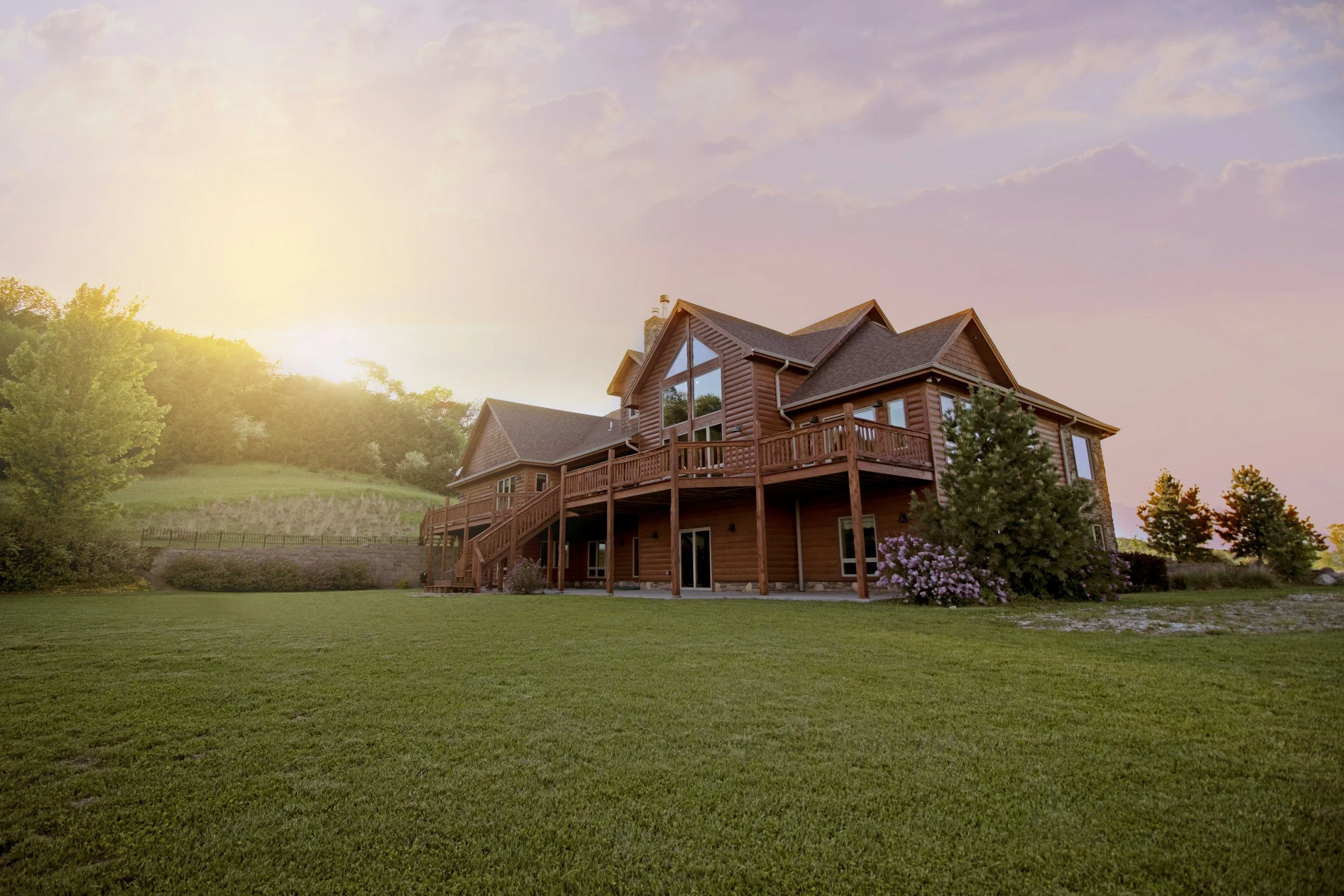
How to Sell Your Home in Nevada County: A Step-by-Step Guide
🏡 Thinking About Selling Your Home in Nevada County? Here’s How to Get Top Dollar! 💰
Selling your home doesn’t have to be stressful—with the right strategy, you can attract more buyers, sell quickly, and maximize your profit. From pricing your home correctly to staging for success and negotiating the best offer, this step-by-step guide walks you through everything you need to know about selling in Grass Valley, Nevada City, Truckee, and beyond.
If you’re ready to sell your home for top dollar, don’t go at it alone—let’s make your home sale a smooth and successful experience!
📍 Read now to learn how to sell your Nevada County home the right way!
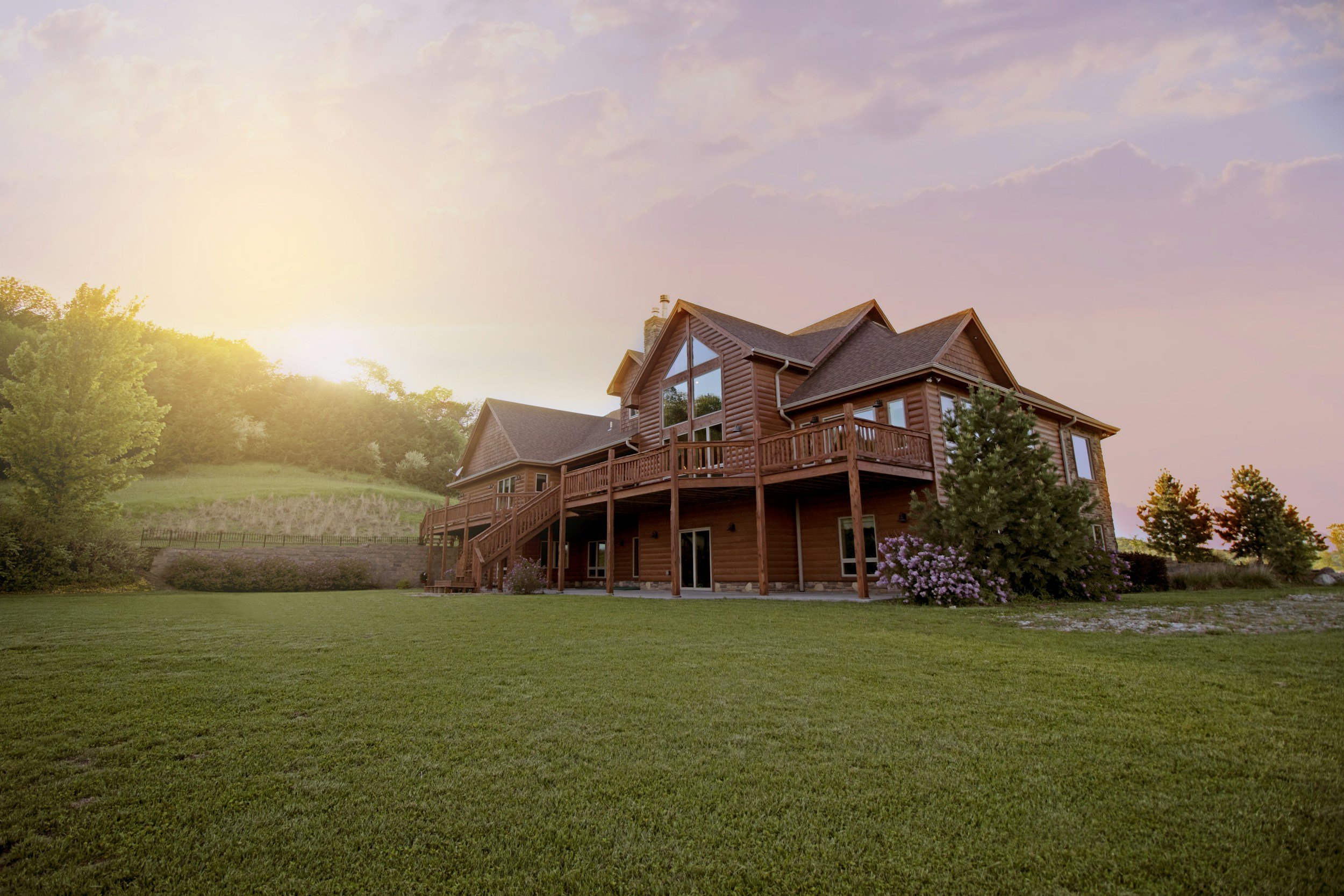
How to Sell Your Home in Nevada County: A Step-by-Step Guide
March 27, 2025
How to Sell Your Home in Nevada County: A Step-by-Step Guide
Selling a home involves more than putting a sign in the yard and waiting for an offer. Preparation, pricing, presentation, marketing and negotiation all influence the outcome.
Nevada County properties can also have considerations that aren’t common in every market, including wells, septic systems, private roads, insurance availability, defensible space, unpermitted improvements and accessory structures.
Here is what homeowners should understand before putting a Nevada County property on the market.
Step 1: Understand Your Local Market
Real estate conditions can vary significantly between Grass Valley, Nevada City, Penn Valley, Alta Sierra, Truckee and the surrounding rural communities. They can even differ between nearby neighborhoods.
Before establishing a list price, consider:
Recent sales of genuinely comparable properties
Current competing listings
Pending sales
Average time on the market
Recent price reductions
Property condition and improvements
Location, acreage and usable land
Buyer activity within your price range
A comparative market analysis helps establish a realistic pricing range, but the final strategy should also account for your timeline, goals and the property’s unique characteristics.
Step 2: Prepare the Property
The goal isn’t necessarily to renovate everything. It’s to identify which improvements are most likely to improve the home’s presentation or prevent avoidable buyer concerns.
Preparation may include:
Removing excess furniture and personal belongings
Deep-cleaning the interior
Touching up worn paint
Repairing visibly damaged items
Improving lighting
Cleaning windows
Trimming vegetation
Clearing walkways and outdoor living areas
Addressing obvious safety concerns
Improving the appearance of the entry
For rural properties, sellers may also want to evaluate the condition and available records for wells, septic systems, propane tanks, generators, private roads and other property features.
Before investing heavily in improvements, discuss the likely return with a local real estate professional. Some projects can improve marketability, while others may cost more than they contribute to the eventual sale.
Step 3: Consider Pre-Listing Inspections
A pre-listing inspection isn’t appropriate for every seller, but it can help identify conditions that might otherwise appear during the buyer’s investigation period.
Depending on the property, a seller might consider:
A general home inspection
Wood-destroying pest inspection
Roof inspection
Well-production and water-quality testing
Septic inspection and pumping
Chimney inspection
Defensible-space or vegetation assessment
Inspections can help a seller decide whether to complete repairs, obtain estimates, disclose the condition or sell the property in its present state.
Inspection reports may create disclosure obligations, so sellers should discuss the strategy with their real estate professional before ordering them.
Step 4: Gather Records and Complete Disclosures
Good documentation can make a complicated property easier for buyers to understand.
Helpful records may include:
Permits and final approvals
Well and septic records
Surveys
Shared-road or shared-well agreements
Solar agreements
Repair invoices and warranties
Insurance information
Rental agreements
Homeowners-association documents
Records for additions or accessory structures
California sellers generally have significant disclosure responsibilities. Disclosures should be completed carefully and honestly, without guessing or minimizing known conditions.
Your real estate professional can help organize the process, but questions requiring legal, engineering, contracting, tax or environmental expertise should be directed to the appropriate professional.
Step 5: Establish a Pricing Strategy
The best list price is not necessarily the highest suggested price. It is the price and positioning most likely to attract qualified buyers while protecting the seller’s objectives.
Pricing too high can reduce early interest and cause a property to accumulate market time. Pricing too low without a clear strategy can create unnecessary risk.
An effective pricing analysis should consider:
Recent comparable sales
Current competition
Property condition
Location and access
Insurance considerations
Land and outbuildings
Buyer demand
Financing limitations
Your preferred timing
The first few weeks often provide valuable information. Showing activity, buyer feedback and competing listings can help determine whether the market is responding as expected.
Step 6: Present and Market the Home
Most buyers will first encounter the property online. Strong photography and accurate, well-written information can help them understand its value before scheduling a showing.
A complete marketing plan may include:
Professional photography
Aerial photography when appropriate and legally permitted
Video or virtual tours
Floor plans
Multiple Listing Service exposure
Distribution to major real estate websites
Social-media promotion
Email outreach to agents and prospective buyers
Property brochures
Open houses and private showings
Direct outreach to likely buyer groups
Marketing should do more than make the property look attractive. It should clearly communicate what makes the home, land, location and lifestyle distinctive.
All advertising should accurately represent the property and comply with applicable fair-housing and real estate advertising requirements.
Step 7: Prepare for Showings
Buyers should be able to experience the home comfortably and focus on the property.
Before a showing:
Open curtains and blinds
Turn on lights
Adjust the temperature
Secure medications and valuables
Remove or safely contain pets
Clear driveways and walkways
Reduce odors
Leave the property when practical
Showing instructions should balance accessibility with the seller’s security, privacy and schedule.
Step 8: Evaluate the Complete Offer
The highest price is not always the strongest offer.
Important terms can include:
Purchase price
Financing
Down payment
Proof of funds
Lender qualifications
Appraisal terms
Investigation contingencies
Insurance contingency
Requested seller credits
Sale-of-property contingency
Closing timeline
Possession
Included and excluded items
Buyer-broker compensation
A slightly lower offer with dependable financing and manageable contingencies may be more attractive than a higher offer carrying substantial uncertainty.
The right response may be acceptance, rejection or a counteroffer. Every term should be reviewed as part of the complete package.
Step 9: Navigate Escrow and the Buyer’s Investigations
After an offer is accepted, the buyer may conduct inspections, review disclosures, investigate insurance and complete financing and appraisal requirements.
During this period, the seller may need to:
Provide documents and disclosures
Coordinate access
Review repair or credit requests
Respond to questions
Complete agreed-upon work
Cooperate with the appraisal
Monitor contractual deadlines
Prepare for moving and possession
Not every transaction proceeds exactly as planned. Consistent communication between the seller, agents, escrow holder, lender and other professionals helps address issues before they threaten the closing.
Step 10: Complete the Sale
Before closing, the seller will review and sign the required documents, confirm any agreed-upon repairs and prepare the property for the buyer.
In California, signing documents does not necessarily mean the sale has closed. Closing generally occurs after the funds are received and the deed records with the county. Keys and possession are then delivered according to the purchase agreement.
Your agent and escrow holder should keep you informed about signing, funding, recording and possession.
The Bottom Line
A successful sale begins well before the property reaches the market. Thoughtful preparation, accurate pricing, complete disclosures and strong marketing can reduce surprises and put the seller in a better negotiating position.
If you’re considering selling a home in Nevada County, I’d be happy to walk through the property, discuss what may be worth addressing and prepare a pricing and marketing strategy based on your goals. There’s no pressure or obligation—just straightforward local guidance so you can decide what makes sense.
Evan Glasco
REALTOR® | DRE Lic. 02209690
Residential & Commercial Real Estate
Coldwell Banker Grass Roots Realty
530-635-2521
EvanSellsRealEstate@gmail.com
EvanSellsRealEstate.com
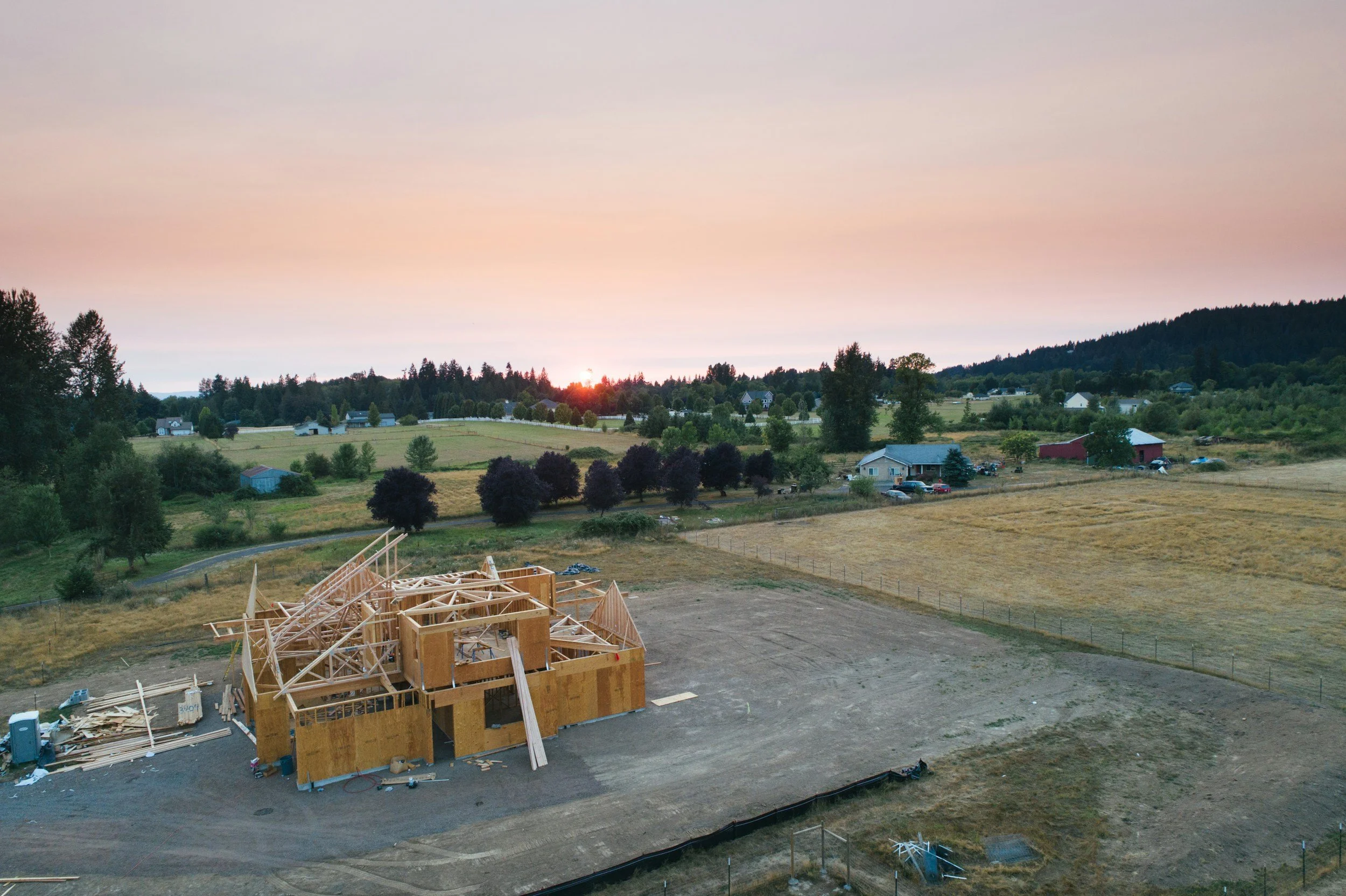
New Construction vs. Resale Homes in Nevada County: What Buyers Should Know
🏡 New Construction vs. Resale Homes: Which Is Right for You? 🏗️✨
Thinking about buying a brand-new home? New construction homes in Nevada County offer modern designs, energy efficiency, and customization options—but are they the best choice for you? While new homes come with low maintenance and builder warranties, they may also have higher price tags, longer wait times, and HOA fees.
In this blog, I break down the pros and cons of buying a new construction home, what to expect, and how to find the best deals on new builds in Grass Valley, Nevada City, and Truckee.
📍 Read now to decide if a new construction home is the right move for you!
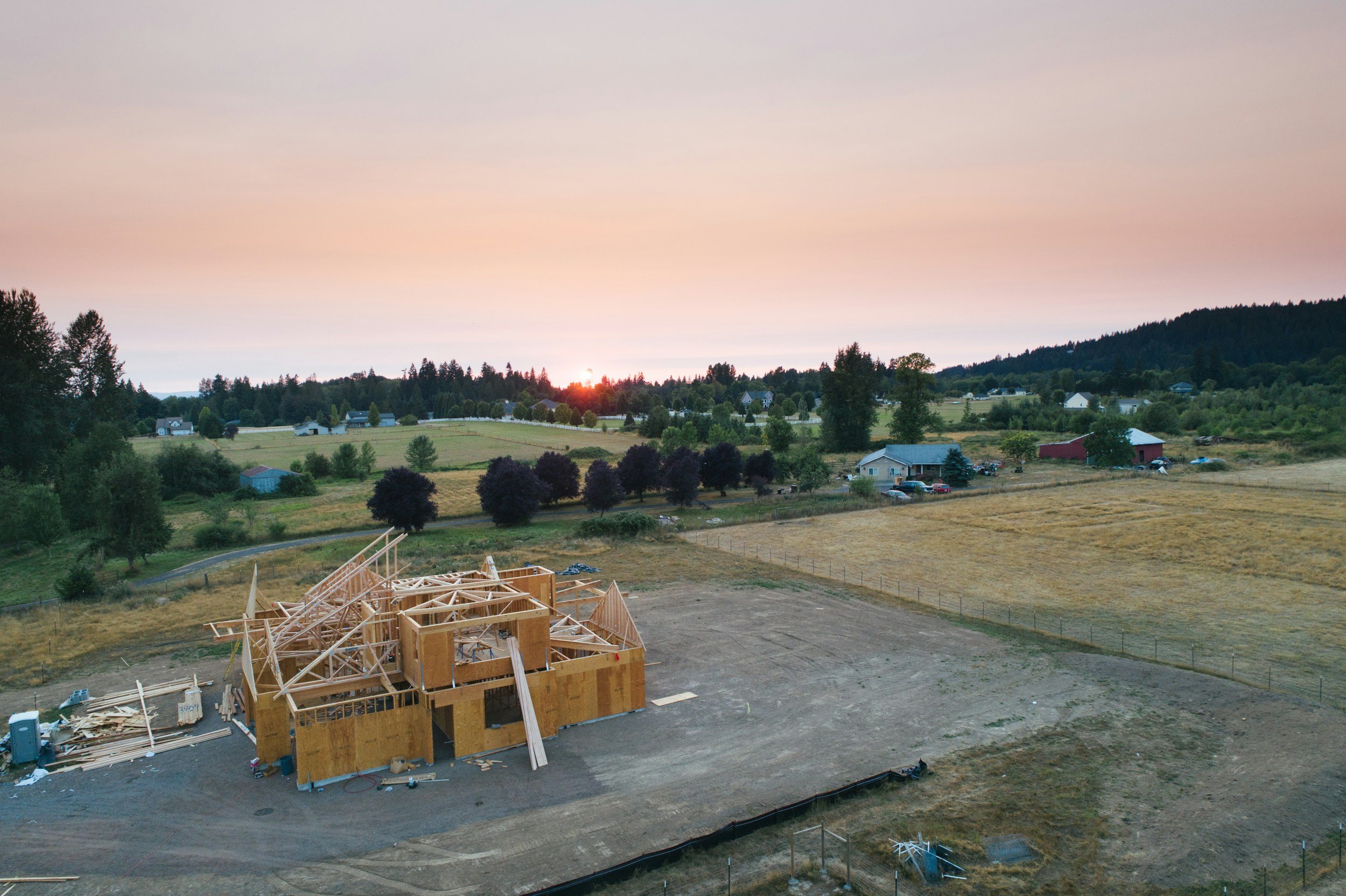
New Construction vs. Resale Homes in Nevada County: What Buyers Should Know
March 24, 2025
New Construction vs. Resale Homes in Nevada County: What Buyers Should Know
If you’re searching for a home in Nevada County, you may be deciding between new construction and an existing home. A newly built home can offer modern systems, current building standards and fewer immediate projects. A resale property may provide more land, an established neighborhood, mature landscaping or architectural character.
Neither option is automatically better. The right choice depends on your budget, timeline, preferred location and willingness to take on maintenance or construction-related uncertainty.
Here are the most important differences to consider.
Types of New Construction
“New construction” can describe several different buying experiences:
Completed or spec home: A newly built home that is finished or close to completion.
Production home: A home built within a development using plans and finishes offered by the builder.
Semi-custom home: A home that allows buyers to select from certain plans, finishes and upgrades.
Custom home: A home designed and built for a specific owner, often beginning with the land, plans and permitting process.
Buying a completed home is very different from purchasing land and building from the ground up. Before comparing properties, make sure you understand which process—and which costs—you are considering.
Advantages of Buying New Construction
Newer Systems and Materials
A new home generally comes with a new roof, plumbing, electrical system, heating and cooling equipment, appliances and finishes.
That may reduce the likelihood of certain immediate replacement expenses, but new does not mean maintenance-free or defect-free. Buyers should still understand the expected maintenance for every major component.
Current Design and Building Standards
Newer homes may offer layouts and features that better match current preferences, including:
Open living areas
Larger kitchens
Improved insulation
Modern electrical capacity
Efficient heating and cooling
Fire-safety features
Low-water-use fixtures
Electric-vehicle charging capability
Solar or other energy-related features
The exact features depend on when the plans were approved, the applicable building requirements and what the builder included. Buyers should review the plans and specifications rather than assuming every new home contains the same energy or technology package.
Opportunities for Personalization
Depending on the construction stage, buyers may be able to select flooring, cabinets, countertops, paint colors, fixtures and other finishes.
Customization can be valuable, but upgrades can quickly increase the final price. Buyers should obtain written pricing and understand whether an upgrade must be paid for before closing, added to the contract price or financed as part of the completed home.
Structural changes and major layout decisions generally become more limited and expensive as construction progresses.
Builder Incentives
Some builders offer incentives such as:
Contributions toward allowable closing costs
Interest-rate buydowns
Design-center credits
Appliance packages
Upgraded finishes
Discounts on completed inventory
Incentives may require the buyer to use the builder’s preferred lender, escrow provider or other affiliated service.
Buyers should compare the complete financing terms. A credit or advertised rate may be valuable, but it should be evaluated alongside the purchase price, loan fees, interest rate and long-term cost.
Possible Warranty Coverage
A builder may provide warranties covering workmanship, materials, appliances or certain systems for specified periods.
Coverage varies considerably. Buyers should obtain and read the actual warranty documents, including exclusions, deadlines and the process for submitting a claim. A warranty should not replace inspections or careful documentation of unfinished and defective items.
Potential Drawbacks of New Construction
The Advertised Price May Not Be the Final Price
A base price may not include the lot premium, upgrades, landscaping, window coverings, appliances, fencing or other features shown in a model home.
Before committing, request a written breakdown of:
Base purchase price
Lot premium
Selected upgrades
Included appliances
Landscaping
Solar equipment or agreements
Association dues
Special assessments
Utility and connection charges
Estimated closing costs
Compare the completed price—not just the advertised starting price—with similar resale homes.
Construction Delays
Estimated completion dates can change because of weather, materials, labor availability, inspections, utility connections and other factors.
A delayed closing can affect an interest-rate lock, moving arrangements, temporary housing and the sale of a buyer’s current home. The contract should be reviewed carefully to understand how completion dates, extensions and buyer remedies are handled.
Limited Landscaping and Neighborhood Maturity
Newer homes may have smaller trees, less shade and limited landscaping. In an active development, buyers may also experience construction traffic, dust and noise after moving in.
Ask what landscaping is included, what remains the buyer’s responsibility and what future construction is planned nearby.
Homeowners Associations and Additional Costs
Some new developments have homeowners associations, design restrictions or shared facilities. Buyers should review:
Monthly or annual dues
Rules and architectural restrictions
Parking and vehicle limitations
Rental restrictions
Maintenance responsibilities
Reserve information
Pending or potential assessments
Newer communities may also have taxes, assessments or infrastructure-related charges that should be confirmed through the appropriate records and professionals.
Why Inspections Still Matter
A new home should be inspected just as carefully as a resale property.
Municipal or county inspections are performed for code-related purposes and do not replace an independent inspection conducted for the buyer. Even new homes can have incomplete work, damaged materials, installation problems or items requiring adjustment.
Depending on the construction stage, buyers may consider:
A pre-drywall inspection
A final home inspection
A roof inspection
A sewer-scope inspection
Well and septic evaluations
Water-quality testing
A final walkthrough and written punch list
For a completed home, the buyer should document unfinished or damaged items and understand which ones the builder agrees to correct before or after closing.
The Builder’s Representative Works for the Builder
The sales representative at a new-home community represents the builder’s interests. Buyers can generally have their own real estate agent, but some builders require the agent to accompany or register the buyer during the first visit.
Contacting your agent before visiting a development can help preserve your ability to have independent representation.
Builder contracts may also differ significantly from the standard forms commonly used in resale transactions. Buyers should carefully review deposit terms, financing deadlines, completion provisions, inspection rights, cancellation rights, warranty language and dispute-resolution provisions. Legal questions should be reviewed with a qualified real estate attorney.
Nevada County Considerations
New construction outside established subdivisions may involve more than the home itself. Buyers should investigate:
Well production and water quality
Septic approval and capacity
Utility availability and connection costs
Propane or all-electric systems
Internet and cellular service
Private-road access and maintenance
Fire-department access
Defensible-space requirements
Homeowners-insurance availability
Drainage, grading and erosion
Permits and final approvals
Future accessory structures or land uses
A newly constructed rural home may still depend on private systems and shared agreements that require careful review.
When a Resale Home May Be the Better Choice
An existing home may be more suitable if you value:
An established neighborhood
Mature trees and landscaping
More acreage or outdoor improvements
Architectural character
A shorter and more predictable closing timeline
The ability to evaluate how the property has performed over time
A location where little new construction is available
Resale homes may require more maintenance or updating, but they can also include improvements—such as fencing, patios, workshops and landscaping—that would be expensive to add to a new home.
Questions to Ask Before Buying New Construction
Before signing a contract, ask:
What is included in the quoted price?
Which finishes shown in the model are upgrades?
Is there a lot premium?
What deposits are required, and are they refundable?
What is the estimated completion date?
What happens if construction is delayed?
Can I use my own lender, agent and inspectors?
What warranties are included?
Is landscaping included?
Are there HOA dues or additional assessments?
Have all required permits and final approvals been completed?
What nearby phases or future development are planned?
Are there restrictions on rentals, additions or accessory structures?
The Bottom Line
New construction can be a great option for buyers who value modern systems, energy-conscious design and fewer immediate renovation projects. A resale home may provide more character, established landscaping, additional improvements or access to locations where new homes are limited.
The best comparison considers the complete cost, contract terms, construction timeline and property—not simply whether the home is new.
If you’re considering new construction or a resale home in Nevada County, I’d be happy to help you compare the options, review the property details and coordinate the appropriate inspections and professionals. If you’re interested in a builder development, contact me before your first visit so I can help you understand its registration and representation requirements.
Evan Glasco
REALTOR® | DRE Lic. 02209690
Residential & Commercial Real Estate
Coldwell Banker Grass Roots Realty
530-635-2521
EvanSellsRealEstate@gmail.com
EvanSellsRealEstate.com
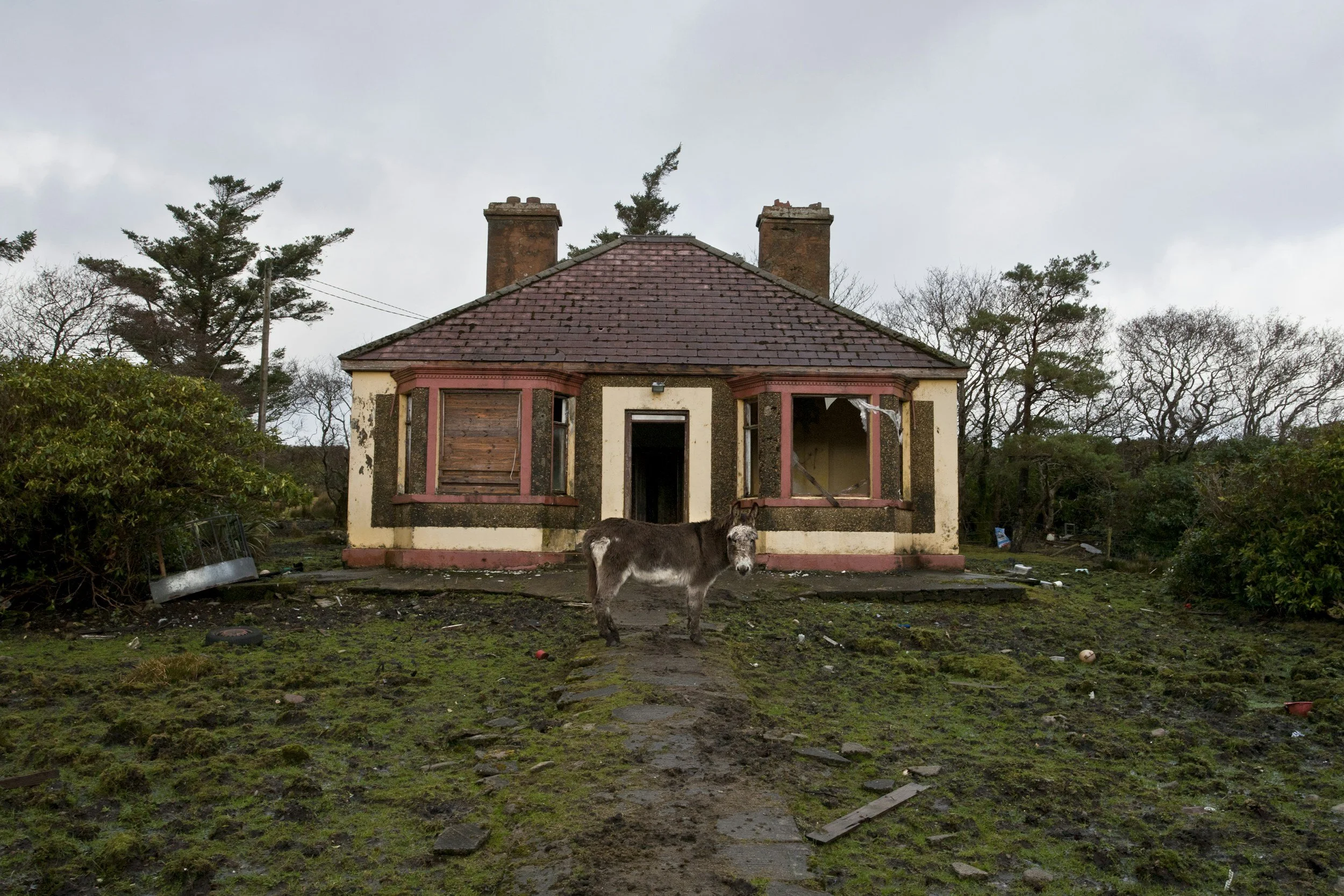
Buying a Fixer-Upper in Nevada County: Benefits, Risks and What to Inspect
Buying a fixer-upper in Nevada County can offer opportunities to personalize a home and build equity, but renovation costs and unexpected repairs can add up quickly. This guide explains what to consider—including inspections, financing, permits and rural property systems—before deciding whether a fixer-upper is the right investment for you.
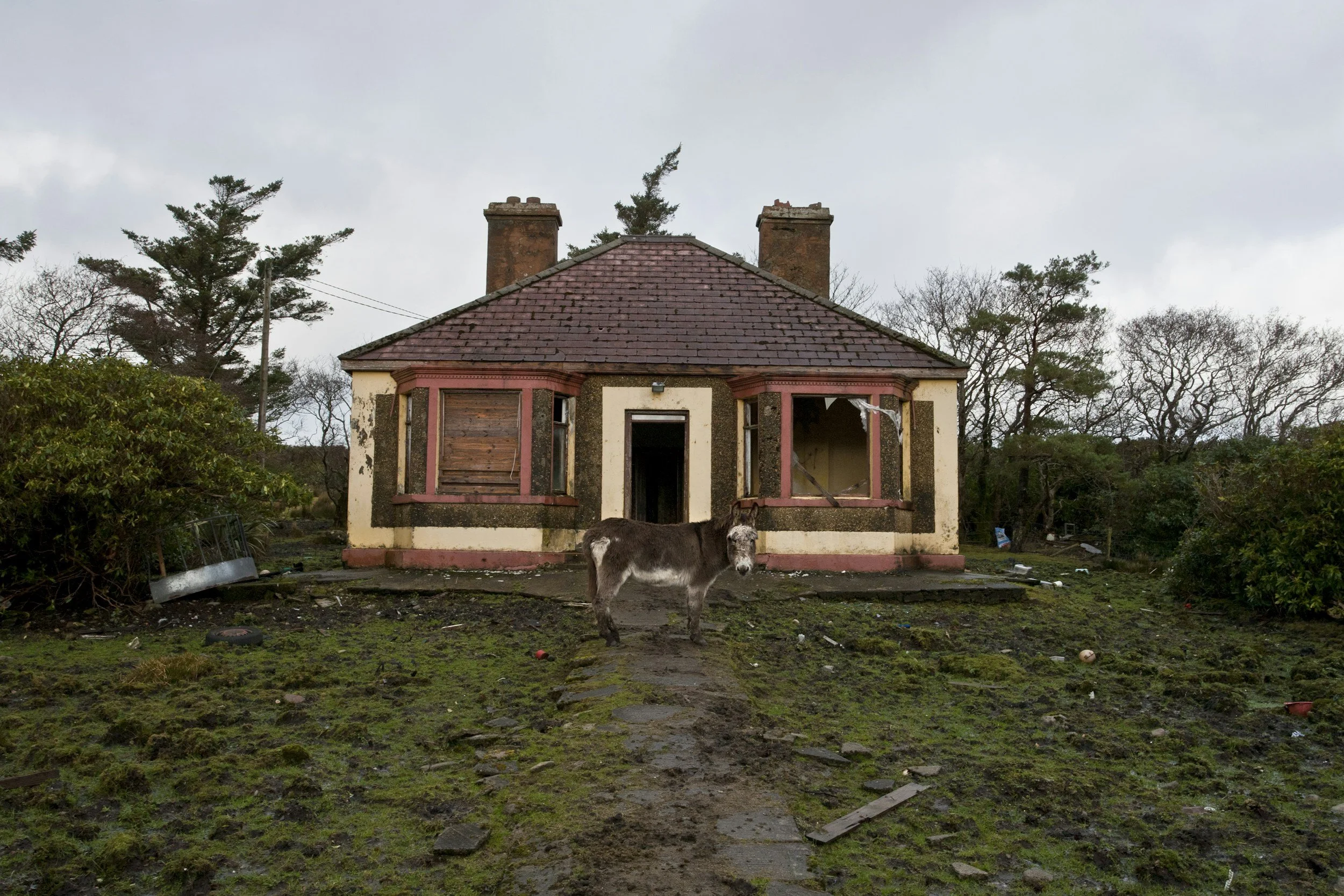
Buying a Fixer-Upper in Nevada County: Benefits, Risks and What to Inspect
March 21, 2025
Buying a Fixer-Upper in Nevada County: Is It the Right Choice?
A fixer-upper can provide an opportunity to create a home that fits your needs, purchase in a location that might otherwise be out of reach or improve a property’s long-term value. It can also bring unexpected repairs, permitting questions, construction delays and financing challenges.
Nevada County has everything from historic in-town homes to rural properties with private wells, septic systems, outbuildings and additions completed over many decades. That variety creates interesting opportunities, but it also makes careful investigation especially important.
Having spent much of my career working in construction and property management, I enjoy helping buyers look beyond cosmetic finishes and ask practical questions about the complete property. That doesn’t replace licensed inspections or contractor evaluations, but it can help buyers recognize where additional investigation may be needed.
Potential Benefits of Buying a Fixer-Upper
A Lower Purchase Price
A home that needs substantial work may be priced below a renovated or well-maintained property in the same area. This can give a buyer access to a location, lot size or type of home that might otherwise exceed their budget.
However, a lower price doesn’t automatically mean the property is a good value. The purchase price must be considered alongside renovation costs, financing expenses, permit requirements and the home’s likely value after the work is completed.
The Ability to Personalize the Home
A fixer-upper gives buyers more control over finishes, fixtures and design decisions.
Depending on the home and applicable approvals, improvements might include:
Updating kitchens and bathrooms
Replacing flooring and finishes
Improving energy efficiency
Reconfiguring living areas
Creating a home office
Improving outdoor spaces
Repairing or updating major systems
Before assuming a wall can be removed or space can be converted, buyers should consult the appropriate contractor, designer, engineer or permitting authority.
Potential to Build Equity
Well-planned improvements can increase a property’s value, but the increase may not equal the amount spent.
The best renovation decisions consider:
The home’s current condition
The purchase price
The complete project budget
Comparable sales
Neighborhood expectations
Buyer demand
Permits and approvals
The expected length of ownership
Cosmetic improvements may have a different financial effect than repairing a foundation, replacing a septic system or correcting unpermitted construction. Some essential repairs protect the property without producing a dollar-for-dollar increase in market value.
Potentially Less Buyer Competition
Properties requiring significant work may appeal to a smaller pool of buyers, particularly when conventional financing is difficult.
That can sometimes create negotiating opportunities, but attractive fixer-uppers can still receive substantial interest from contractors, investors and cash buyers. Buyers should evaluate each property individually rather than assuming there will be little competition.
Risks of Buying a Fixer-Upper
Renovation Costs Can Be Difficult to Predict
Visible wear is only part of the picture. Once work begins, buyers may discover conditions involving:
Foundations and drainage
Roofing
Electrical systems
Plumbing
Heating and cooling
Wood-destroying pests
Water intrusion
Mold or hazardous materials
Wells and water-storage systems
Septic systems
Unpermitted additions
Retaining walls
Access roads
Online renovation calculators and price-per-square-foot estimates are only starting points. Whenever possible, obtain property-specific estimates from qualified professionals before removing the applicable investigation contingencies.
A contingency reserve should be based on the property and scope of work rather than a single percentage applied to every project.
Financing May Be More Complicated
A standard mortgage is based on the property’s existing condition and generally does not provide a separate renovation budget. Significant health, safety or habitability concerns may also affect whether the property qualifies for certain financing.
Possible options may include:
FHA 203(k) renovation financing
Fannie Mae HomeStyle Renovation financing
Other lender-specific renovation loans
Construction or rehabilitation financing
Cash combined with traditional financing
A home-equity line or loan secured by another property
These programs have different requirements involving occupancy, contractors, plans, appraisals, fund control and project completion. Not every lender offers them, and not every property or renovation will qualify.
Buyers should speak with a lender experienced in renovation financing before writing an offer.
The Work May Take Longer Than Expected
Permits, contractor availability, weather, material delays and newly discovered conditions can extend a project.
A buyer should consider:
Whether the home can be occupied during construction
Temporary housing costs
Storage and moving expenses
Loan payments during renovation
Seasonal weather limitations
Contractor scheduling
Permit-review timelines
The effect of delays on the complete budget
In some situations, doing the work in phases may be more manageable than attempting a complete renovation immediately.
Managing a Renovation Takes Time
Even when contractors perform the work, the owner may need to make design decisions, review bids, approve changes, track expenses and coordinate schedules.
Buyers should be realistic about how much time and uncertainty they’re comfortable managing. The least expensive bid is not always the best choice, and a clear written scope of work is essential.
Nevada County Issues to Investigate
Fixer-uppers in Nevada County can involve conditions beyond the structure itself. Depending on the property, buyers should investigate:
Private-well production and water quality
Septic-system condition, capacity and permits
Private-road access and maintenance
Defensible space and vegetation
Homeowners-insurance availability
Drainage, slopes and erosion
Retaining walls
Outbuildings and accessory structures
Permit history
Property boundaries and easements
Utility availability
Internet and cellular service
Former mining activity or unusual land conditions
An attractive renovation opportunity can change significantly if the septic system needs replacement, the well has limited production or an addition cannot be verified as permitted.
Inspections and Professional Evaluations
A general home inspection is an important starting point, but it may not cover every condition.
Depending on the property, additional evaluations might include:
Wood-destroying pest inspection
Roof inspection
Foundation or structural evaluation
Electrical inspection
Plumbing or sewer-scope inspection
Well-production and water-quality testing
Septic inspection
Chimney inspection
Hazardous-material testing
Survey or boundary review
Permit research
Contractor estimates
Your real estate agent can help coordinate the investigation, but conclusions about construction, engineering, environmental conditions, legality or repair costs should come from the appropriate qualified professionals.
Calculate the Complete Investment
For an owner-occupant, the calculation should include the purchase price, financing, renovations and the cost of living elsewhere during construction.
For an investor, it should also consider:
Acquisition costs
Financing expenses
Holding costs
Insurance
Utilities
Property taxes
Permits
Contractor expenses
Contingency funds
Selling costs
Potential taxes
Expected resale value or rental income
The difference between the purchase price and expected resale price is not the same as profit. Every expense should be included, and future value should be estimated conservatively.
Is a Fixer-Upper Right for You?
A fixer-upper may be worth considering if:
You have adequate funds and financial reserves
You’re comfortable with a longer timeline
You have realistic expectations about renovation costs
You’re willing to coordinate contractors and professionals
The property still makes sense if costs increase
You value the location, land or potential of the home
It may not be the best fit if:
You need to move in immediately
Your budget has little room for surprises
The necessary work prevents your loan from qualifying
You don’t have time to manage a renovation
The projected value depends on overly optimistic assumptions
The Bottom Line
A fixer-upper can be a rewarding home or investment, but the opportunity comes from buying carefully—not simply buying a property because it needs work.
The strongest projects begin with thorough inspections, realistic contractor estimates, appropriate financing and a conservative understanding of the completed value.
If you’re considering a fixer-upper in Grass Valley, Nevada City or elsewhere in Nevada County, I’d be happy to help you identify potential properties, evaluate comparable sales and coordinate the appropriate local inspectors, contractors and other professionals.
Evan Glasco
REALTOR® | DRE Lic. 02209690
Residential & Commercial Real Estate
Coldwell Banker Grass Roots Realty
530-635-2521
EvanSellsRealEstate@gmail.com
EvanSellsRealEstate.com