

Welcome to
Nevada County Real Estate: Insider Insights, Market Moves & Must-Knows

Home Improvements That Can Add Value in Nevada County
Planning improvements or preparing to sell your Nevada County home? Learn which repairs and upgrades may improve marketability and buyer confidence, from kitchens and bathrooms to energy efficiency, outdoor spaces, defensible space and rural property systems. This guide will help you prioritize projects before investing.

Home Improvements That Can Add Value in Nevada County
March 18, 2025
Home Improvements That Can Add Value in Nevada County
If you’re preparing to sell your home—or simply want to make thoughtful long-term improvements—it’s worth considering how each project could affect marketability and resale value.
The improvements buyers appreciate can vary by property, location and price range. In Nevada County, practical concerns such as the roof, insurance availability, defensible space, heating and cooling, wells, septic systems and permitted improvements may matter as much as an updated kitchen.
No renovation guarantees a particular return. Before committing to a major project, compare the estimated cost with the property’s current condition, likely buyer expectations and nearby comparable sales.
1. Address Deferred Maintenance First
A dated but well-maintained home may be more appealing than a remodeled home with unresolved problems.
Before focusing on cosmetic upgrades, consider visible or known conditions involving:
Roofs and gutters
Plumbing leaks
Electrical concerns
Heating and cooling equipment
Damaged siding or trim
Wood deterioration
Drainage and water intrusion
Broken fixtures, doors or windows
Decks, stairs and railings
Repairs involving safety, water intrusion or major systems may not produce an exciting before-and-after photo, but they can improve buyer confidence and reduce potential issues during inspections.
2. Improve Curb Appeal and Fire Readiness
The exterior creates the buyer’s first impression. In many parts of Nevada County, vegetation management and home-hardening features may also influence insurance conversations.
Useful improvements can include:
Removing dead vegetation and accumulated debris
Trimming overgrown landscaping
Clearing roofs and gutters
Improving visibility from the driveway
Repairing exterior paint and damaged trim
Cleaning walkways, patios and decks
Updating address numbers and exterior lighting
Creating a clean, inviting entry
Addressing vegetation near structures
Defensible-space and home-hardening work should follow applicable requirements and qualified guidance. Sellers should avoid representing a property as “fireproof” or guaranteeing that improvements will result in insurance coverage.
Before listing, it can be helpful to obtain insurance information early so potential problems don’t arise after accepting an offer.
3. Refresh the Kitchen Without Automatically Remodeling It
Kitchens receive a great deal of buyer attention, but a complete renovation isn’t always necessary.
Depending on the home, a targeted refresh might include:
New paint
Updated cabinet hardware
Improved lighting
Replacing damaged countertops
Repairing or replacing worn flooring
Updating faucets and fixtures
Servicing or replacing malfunctioning appliances
Improving pantry and storage organization
The best approach depends on the property’s price range and the condition of surrounding homes. Installing high-end finishes in a modest home may not produce the same result as completing practical, well-coordinated improvements.
If you’re planning to sell soon, ask for a market-based opinion before starting a major kitchen renovation. A future buyer may prefer different finishes, and the project could delay the sale without returning its full cost.
4. Make Bathrooms Clean, Functional and Consistent
Bathrooms don’t necessarily need to feel like a luxury spa. Most buyers respond well to spaces that are clean, bright and in good working order.
Potential improvements include:
Replacing worn caulking
Repairing leaks
Updating lighting
Replacing damaged flooring
Installing a new mirror or vanity hardware
Improving ventilation
Replacing stained or damaged fixtures
Updating paint
Correcting loose toilets, faucets or shower components
A simple, cohesive bathroom refresh may be more appropriate than an expensive remodel, particularly when the existing layout functions well.
5. Improve Comfort and Energy Performance
Energy-related improvements may make a home more comfortable and reduce operating costs, but the financial return varies.
Depending on the property, buyers may appreciate:
Improved insulation and air sealing
Efficient heating and cooling
Updated windows where existing units are failing
Smart or programmable thermostats
LED lighting
Efficient water heaters
Ceiling fans
Updated weatherstripping
Backup-power connections or generators
Solar can be valuable, but buyers will want to understand whether the system is owned, financed, leased or subject to a power-purchase agreement. Sellers should organize the contract, payoff information, production records and transfer requirements before listing.
Tax credits, rebates and utility programs change over time. Verify current eligibility with the appropriate agency and tax professional before relying on an incentive.
6. Create Useful, Flexible Spaces
Rather than automatically removing walls to create an open floor plan, consider how buyers are likely to use the home.
Features that may improve functionality include:
A dedicated home-office area
A flexible guest or hobby room
Practical laundry space
A mudroom or drop zone
Additional pantry storage
Defined living and dining areas
Convenient access to outdoor spaces
Removing or modifying walls may require permits and structural evaluation. An open layout isn’t right for every home, particularly when the change eliminates storage, privacy or useful rooms.
7. Improve Outdoor Living Areas
Nevada County buyers often value outdoor space, but improvements should fit the property and remain practical to maintain.
Potential projects include:
Repairing an existing deck or patio
Creating a comfortable seating area
Improving exterior lighting
Adding simple, drought-conscious landscaping
Improving pathways
Cleaning and organizing porches
Repairing fencing
Making outdoor areas easier to access and use
Before building a new deck, outdoor kitchen or permanent structure, confirm setbacks, permits, septic locations and other applicable restrictions.
A clean, functional outdoor area may have more broad appeal than an elaborate improvement that requires significant upkeep.
8. Improve Storage and Organization
Storage can affect how spacious and functional a home feels.
Helpful improvements may include:
Pantry shelving
Closet organization
Garage shelving
Laundry-room storage
Entryway storage
Workshop organization
Safe storage for tools and outdoor equipment
The goal is not to fill every space with built-ins. Simple organization and removing excess belongings can help buyers see how the property could work for them.
9. Understand Rural Property Systems
For many Nevada County homes, the most important improvements may be outside the living space.
Depending on the property, sellers should understand the condition of:
Private wells
Water-storage tanks
Pressure and booster pumps
Water-treatment equipment
Septic systems
Propane tanks
Private roads
Drainage systems
Retaining walls
Generators
Outbuildings
A new countertop may photograph well, but buyers can become far more concerned about an unknown well, failing septic system or inaccessible road.
Testing, inspections and service records can help buyers understand these systems. Sellers should discuss potential inspections and resulting disclosure obligations with their real estate professional before ordering reports.
10. Confirm Permits and Gather Documentation
Improvements are easier for buyers to evaluate when the records are organized.
Before listing, collect available documents for:
Additions and conversions
Roof replacement
Electrical and plumbing work
HVAC installation
Solar systems
Septic repairs
Well work
Decks and outbuildings
Engineering or structural work
Contractor warranties and invoices
If you’re considering a new project, check permit requirements before beginning. Unpermitted work can create questions involving value, financing, insurance and future use.
Do not assume that an older improvement was permitted simply because it existed when you purchased the property.
Which Improvements Should You Make Before Selling?
The right answer depends on the home and your selling timeline.
If you plan to list soon, priorities often include:
Addressing safety concerns and active damage
Completing unfinished work
Repairing obvious defects
Cleaning and decluttering
Improving exterior presentation
Updating worn paint, flooring or lighting where appropriate
Organizing permits, warranties and property records
A complete remodel immediately before selling may not be the most effective use of your money. In some cases, pricing the home appropriately and allowing the buyer to make their own improvements may be the better strategy.
The Bottom Line
The improvements most likely to help a Nevada County home are those that make it feel well-maintained, functional, comfortable and easier for buyers to understand.
Start with the property’s condition and major systems before spending heavily on finishes. Then consider targeted improvements that fit the home’s location, price range and likely buyer.
If you’re thinking about selling, I’d be happy to walk through your property and help you separate improvements that may strengthen the sale from projects that may not be worth completing. My construction and property-management background gives me a practical perspective, and I can coordinate qualified contractors and inspectors when professional opinions are needed.
Evan Glasco
REALTOR® | DRE Lic. 02209690
Residential & Commercial Real Estate
Coldwell Banker Grass Roots Realty
530-635-2521
EvanSellsRealEstate@gmail.com
EvanSellsRealEstate.com
House Hacking in Nevada County: What Buyers Should Know
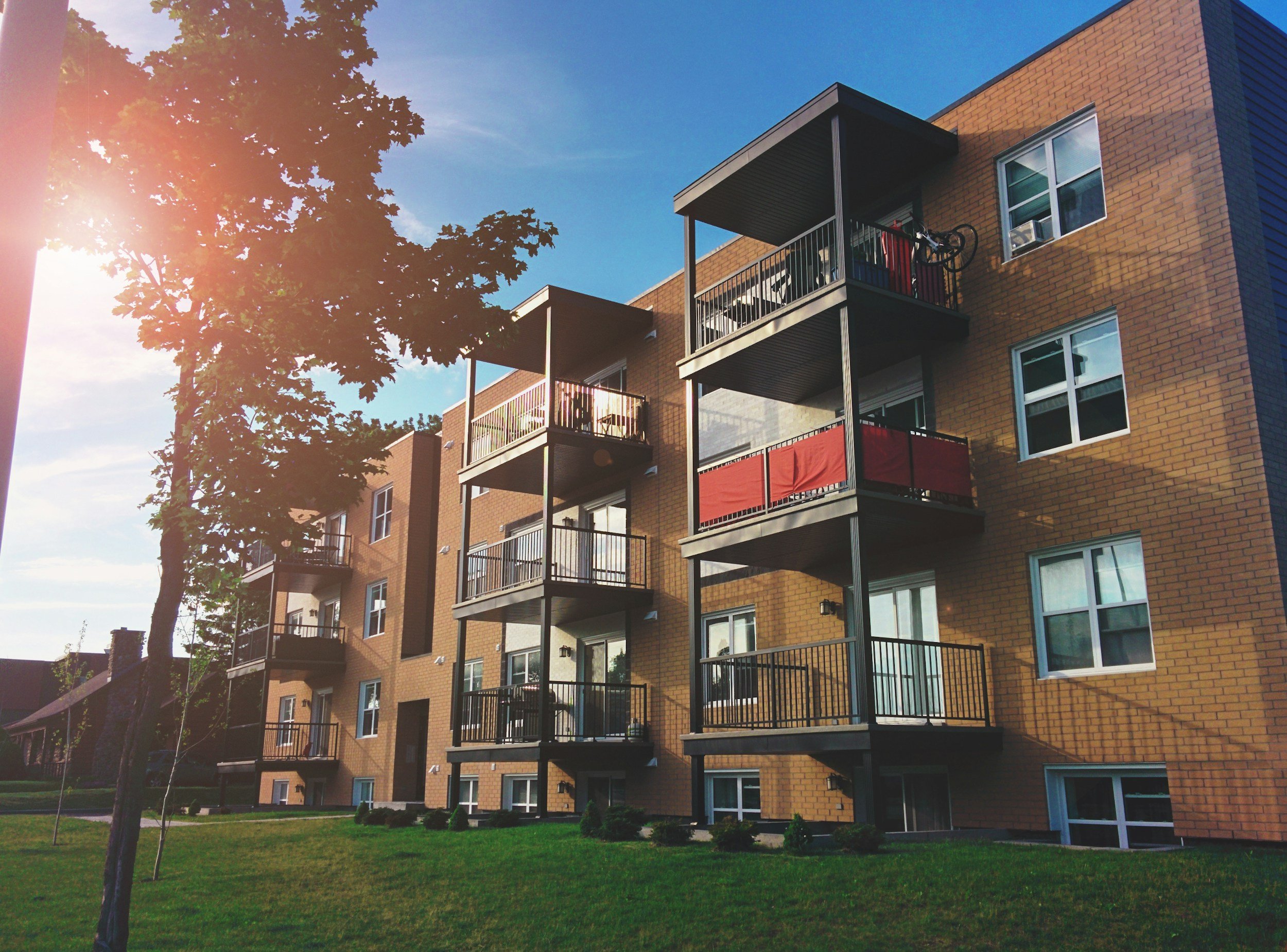
House hacking involves buying a property, living in part of it and renting another portion to help offset your housing expenses. Learn how to evaluate multi-unit homes and properties with ADUs in Nevada County, including financing, rental income, legal unit status, operating costs and the responsibilities of becoming a landlord.
House Hacking in Nevada County: What Buyers Should Know
March 15, 2025
House Hacking in Nevada County: What Buyers Should Know
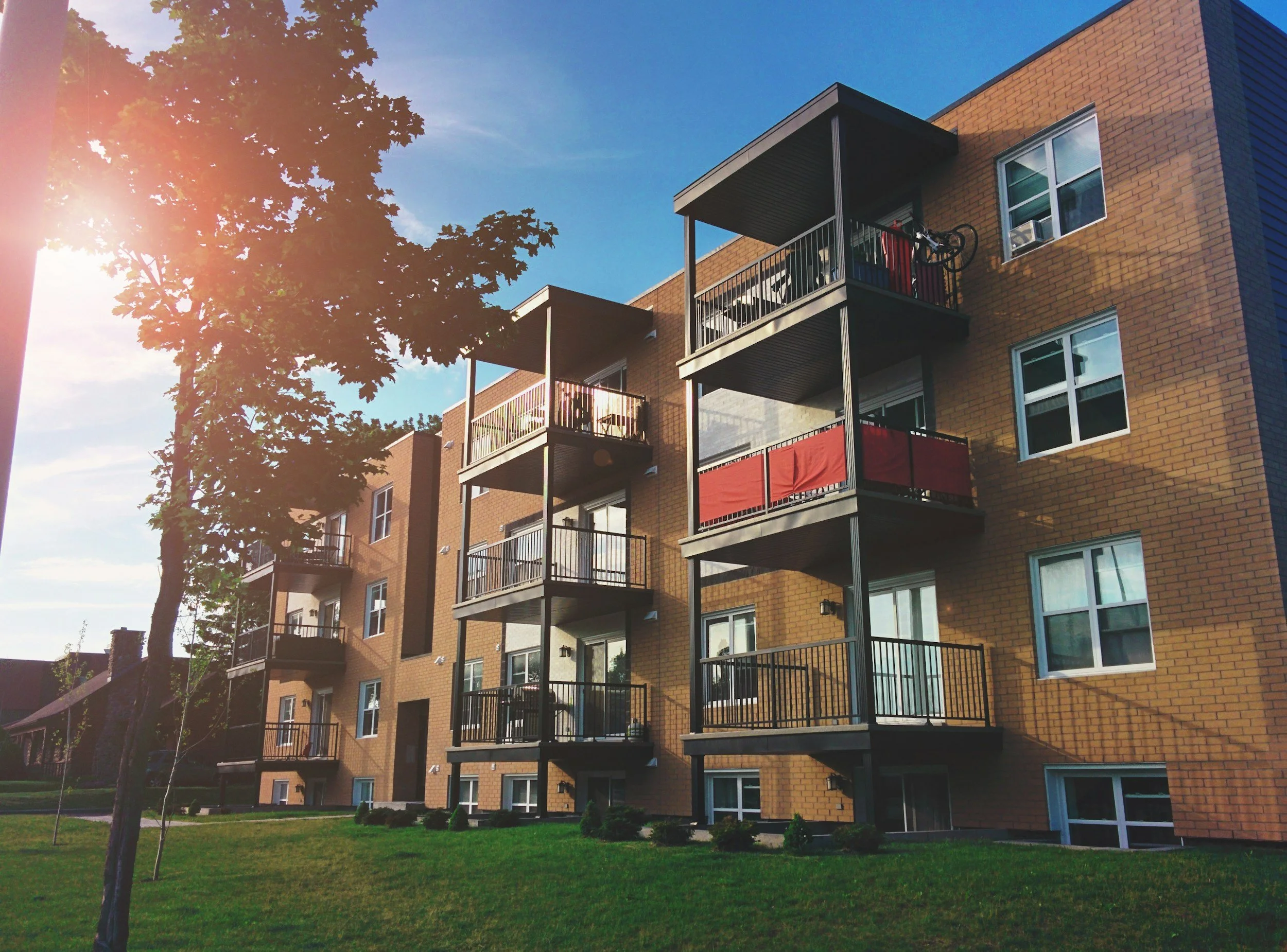
House hacking is a real estate strategy in which you purchase a property, live in part of it and rent another portion to help offset your housing expenses.
A common example is buying a duplex, occupying one unit and renting the other. The strategy can also involve a home with a permitted accessory dwelling unit or, in some cases, renting rooms within your primary residence.
House hacking may reduce your out-of-pocket housing costs and provide an introduction to real estate investing, but rental income is never guaranteed. Buyers must also account for vacancies, repairs, financing requirements and the responsibilities that come with becoming a landlord.
Here is what Nevada County buyers should understand before pursuing this strategy.
What Types of Properties Can Work?
House hacking can take several forms:
A duplex, triplex or four-unit property
A single-family home with a permitted accessory dwelling unit
A home with separate guest quarters approved for residential use
A property with two legally established residences
A home with suitable rooms rented to housemates
A property that may allow a future ADU, subject to approval
A separate entrance, kitchenette or converted garage does not automatically make a space a legal rental unit. Buyers should investigate permits, zoning, utility connections, septic capacity and applicable occupancy requirements.
The property should work financially based on its current legal use—not solely on an assumption that an additional unit can be created later.
Potential Benefits of House Hacking
Rental Income May Offset Housing Expenses
Rent from another unit or housemate may help offset part of the mortgage payment and other ownership expenses.
However, gross rent is not the same as profit. Owners should budget for:
Vacancy
Repairs and maintenance
Utilities paid by the owner
Property taxes
Insurance
Property management
Capital improvements
Licensing or inspection requirements
Legal and accounting expenses
A conservative projection is more useful than assuming the unit will always be occupied at the highest possible rent.
Owner-Occupied Financing May Be Available
Qualified buyers purchasing a primary residence may have access to financing that is not available for a strictly non-owner-occupied investment property.
Depending on the borrower and property, possible options may include:
FHA financing
VA financing for eligible borrowers
Conventional owner-occupied financing
Renovation financing
Certain first-time-buyer or assistance programs
Program rules vary, particularly for properties containing multiple units. Buyers must satisfy the lender’s owner-occupancy requirements and should not represent a property as their primary residence unless they genuinely intend to occupy it as required.
Rental Income May Help With Qualification
A lender may be able to consider a portion of the property’s existing or projected rental income when evaluating the loan.
The amount that can be counted depends on factors such as:
The loan program
Property type
Appraisal
Existing leases
Market-rent analysis
Borrower experience
Required reserves
The unit’s legal status
Buyers should have an experienced lender analyze the property before assuming that all projected rent will count toward qualification.
Experience as a Property Owner and Landlord
Living at the property can give a new investor direct experience with maintenance, tenant communication, leases and operating expenses.
That can be valuable, but it is not passive income in the usual sense. Even a small property requires organization, financial reserves and compliance with landlord-tenant and fair-housing laws.
Nevada County House-Hacking Opportunities
Duplexes and Small Multi-Unit Properties
Grass Valley and Nevada City contain some duplexes and small residential income properties. These may offer separate living areas and established rental histories.
Buyers should investigate:
Current leases and deposits
Rent-payment records
Tenant rights
Utility arrangements
Permit and unit history
Deferred maintenance
Parking
Insurance
Actual operating expenses
Purchasing an occupied property may require the buyer to take over existing tenancies. Plans to occupy a particular unit should be discussed with qualified legal counsel before relying on that unit being immediately available.
Homes With ADUs or Second Residences
An ADU can provide separation between the owner and tenant, but the buyer should confirm that the unit is permitted and approved for its current use.
Review available records for:
Building permits
Certificate of occupancy or final approval
Address assignment
Kitchen and bathroom approvals
Electrical and plumbing work
Utility metering
Septic approval
Parking and access
Applicable rental restrictions
Appraisers, lenders and insurance companies may treat permitted and unpermitted living areas differently.
Rural Properties With Multiple Structures
Properties in Penn Valley, Alta Sierra, North San Juan and other rural areas may include guest houses, studios, converted shops or other structures.
Before assigning rental income to any structure, buyers should investigate whether it is legally approved as a residence. Rural properties can also have shared wells, private roads, septic limitations and electrical systems that weren’t designed to support multiple households.
Renting Rooms to Housemates
A single-family home with an appropriate layout may work for buyers comfortable sharing parts of their residence.
Consider privacy, parking, bathrooms, kitchen access, storage, utilities and household rules. Written agreements and a clear understanding of applicable landlord-tenant law remain important, even when the owner lives in the home.
Financing a House Hack
Financing should be investigated before searching for properties because the rules affect what you can buy.
FHA Financing
Qualified borrowers may use FHA-insured financing for certain one-to-four-unit primary residences. The borrower must satisfy applicable occupancy, credit, income and property requirements.
For multi-unit properties, lenders may have additional requirements involving reserves, rental-income calculations and property self-sufficiency.
VA Financing
Eligible veterans, service members and certain surviving spouses may be able to use VA financing for an owner-occupied property containing multiple units.
The borrower must intend to occupy the property as a primary residence and meet applicable VA and lender requirements. VA financing should not be used to purchase a property intended solely as a non-owner-occupied investment.
Conventional Financing
Conventional owner-occupied financing may be available for single-family homes and eligible multi-unit properties. Down-payment requirements, mortgage insurance, reserves and treatment of rental income depend on the loan program and borrower’s qualifications.
Renovation Financing
An FHA 203(k), Fannie Mae HomeStyle Renovation loan or other rehabilitation program may help finance an eligible purchase and approved improvements.
These loans can involve additional requirements for plans, contractor bids, appraisals, inspections and controlled disbursement of renovation funds. Not every lender offers them.
How to Evaluate the Financials
Before making an offer, prepare a realistic monthly projection.
Estimated Income
Consider:
Current contract rent
Supported market rent
Vacancy allowance
Which utilities are included
Laundry, parking or other lawful income
Estimated Expenses
Include:
Complete mortgage payment
Property taxes
Insurance
Utilities
Maintenance
Property management
Landscaping or snow removal
Well and septic expenses
Private-road costs
Homeowners-association dues
Licensing expenses
Reserves for major repairs
Test the numbers using less rent and higher expenses than expected. If the plan only works with continuous occupancy, no repairs and steadily increasing rent, the financial margin may be too narrow.
Landlord Responsibilities
House hacking makes you both a homeowner and a housing provider.
Responsibilities may include:
Providing habitable housing
Following fair-housing requirements
Using appropriate rental agreements
Handling security deposits properly
Providing required notices
Maintaining the property
Respecting tenant privacy
Following applicable rent, eviction and local housing laws
Reporting rental income and expenses appropriately
California landlord-tenant laws can change and may apply differently depending on the property and tenancy. Obtain advice from a qualified attorney, property manager and tax professional rather than relying solely on general information.
Be Careful With Short-Term Rental Assumptions
A property that works as a long-term rental may not qualify for short-term rental use.
Before relying on vacation-rental income, investigate:
Local zoning and permit requirements
Occupancy limits
Parking requirements
Fire and safety rules
Transient-occupancy taxes
Homeowners-association restrictions
Insurance coverage
Lender requirements
Changes that could affect future operation
Short-term rental demand can also vary significantly by location and season. A property should not be purchased based solely on optimistic nightly-rate projections.
Common House-Hacking Risks
Vacancies and Nonpayment
Rental income may stop while ownership expenses continue. Maintain adequate reserves instead of relying on every month’s rent to make the mortgage payment.
Repairs and Capital Expenses
Roofs, heating systems, appliances, wells and septic systems can require substantial repairs. Multi-unit properties may also experience more wear than a typical owner-occupied home.
Limited Privacy
Living next to or with tenants isn’t comfortable for everyone. Consider noise, parking, shared areas and boundaries before committing.
Insurance Limitations
The insurer should understand how the property will be occupied and rented. Standard owner-occupied coverage may not automatically cover every rental arrangement.
Legal Unit and Permit Problems
An unpermitted unit can create issues involving financing, appraisal, insurance, safety and rental income. Confirm the approved use rather than relying on listing language alone.
Is House Hacking Right for You?
House hacking may be worth considering if:
You are comfortable living near tenants or housemates
You intend to occupy the property as required
You have adequate financial reserves
You are prepared for landlord responsibilities
The property works under conservative assumptions
The rental space is legally established
You are interested in long-term ownership
It may not be the right fit if:
You require complete privacy
You are relying on maximum rent to afford the property
You have little money available for repairs or vacancies
You don’t want to manage tenants
The strategy depends on an unapproved unit or future permit
You intend to move out before satisfying occupancy requirements
The Bottom Line
House hacking can help reduce housing expenses and provide practical experience in real estate investing, but it is not a guaranteed path to free housing or passive income.
The strongest opportunities combine a legally established rental area, realistic rent estimates, appropriate financing, manageable expenses and adequate reserves.
If you’re considering a duplex, multi-unit property or home with an ADU in Nevada County, I’d be happy to help you evaluate the property, review comparable rents and coordinate the appropriate lender, inspectors and other professionals.
Evan Glasco
REALTOR® | DRE Lic. 02209690
Residential & Commercial Real Estate
Coldwell Banker Grass Roots Realty
530-635-2521
EvanSellsRealEstate@gmail.com
EvanSellsRealEstate.com

How to Write a Competitive Home Offer in Nevada County
Facing multiple offers on a Nevada County home? Learn how mortgage preparation, thoughtful pricing, clear contract terms, realistic timelines and strategic contingencies may help your offer stand out. This guide explains how to compete for the right home without exceeding your budget or taking unnecessary risks.

How to Write a Competitive Home Offer in Nevada County
April 14, 2025
How to Write a Competitive Home Offer in Nevada County
When a desirable home receives multiple offers, the strongest offer isn’t always the one with the highest price. Financing, contingencies, deposit terms, closing timeline and the buyer’s ability to perform can all influence a seller’s decision.
Market conditions vary by location, property type and price range. A home in Grass Valley may receive a different level of interest than a rural property outside Nevada City or a mountain home near Truckee. Before deciding how aggressively to compete, buyers should evaluate the specific property and their own financial limits.
Here are practical ways to strengthen an offer without taking unnecessary risks.
1. Prepare Your Financing Before You Find the Home
A current lender preapproval can show the seller that your income, credit and assets have received a meaningful review. It is generally more useful than a basic prequalification based largely on unverified information.
Before writing an offer, ask your lender:
Which financial documents have been reviewed?
Has the file been reviewed by an underwriter?
Are there outstanding approval conditions?
How quickly can the lender complete the appraisal and loan process?
Is the loan dependent on selling another property?
How will property taxes and insurance affect qualification?
Who will be available if the listing agent has questions?
A local lender may understand regional properties and be more accessible during negotiations, but the lender’s actual performance, communication and loan terms matter more than name recognition alone.
The preapproval letter should match the offer and avoid disclosing more financial information than necessary.
2. Review Comparable Sales and Establish Your Limit
The list price does not necessarily represent the property’s market value. Some homes are priced near expected value, while others may be positioned to generate substantial interest.
Before deciding what to offer, review:
Recent comparable sales
Pending and active competition
Property condition
Days on the market
Improvements and deferred maintenance
Location and access
Acreage and usable land
Well and septic information
Insurance considerations
Your expected length of ownership
Decide on your maximum price before emotions take over. Winning the house should not mean accepting a payment or financial risk you’ll regret later.
3. Write a Complete, Easy-to-Evaluate Offer
A clean offer is one that is complete, internally consistent and supported by the appropriate documents. That doesn’t mean giving up important protections.
A well-prepared offer may include:
A current preapproval letter
Appropriate proof of funds
Clear financing terms
A realistic closing timeline
Clearly stated contingency periods
A defined earnest-money deposit
Complete signatures and required documents
Terms that reflect the seller’s stated priorities
Missing documents, conflicting dates or vague financing terms can create uncertainty even when the offered price is attractive.
4. Consider the Seller’s Timing
Price matters, but timing can matter too.
The seller may need:
A particular closing date
Additional time to move
A short period of possession after closing
Coordination with the purchase of another home
Flexibility involving personal property
Certainty around inspections or appraisal
Your agent can ask the listing agent what matters most to the seller and structure the offer accordingly.
Any post-closing occupancy should be documented carefully. Buyers should consider insurance, deposits, possession terms, lender requirements and the risks of allowing a seller to remain after closing.
5. Choose an Appropriate Earnest-Money Deposit
An earnest-money deposit demonstrates the buyer’s intent to complete the purchase, but offering a larger deposit does not automatically make an offer better.
Buyers should understand:
When the deposit must be delivered
How it will be held
What happens if a contingency is exercised
What happens after contingencies are removed
Whether a liquidated-damages provision applies
The risks associated with default
The deposit should be meaningful but financially manageable. Never increase it simply for appearance without understanding the contractual consequences.
6. Be Strategic With Contingencies
Contingencies protect buyers by providing time to investigate the property, secure financing, evaluate the appraisal and obtain insurance.
Possible contingencies may involve:
Property investigations
Loan approval
Appraisal
Homeowners insurance
Review of disclosures
Title and natural-hazard information
Sale of the buyer’s current property
Shorter contingency periods can sometimes strengthen an offer, but only if the buyer and professionals can realistically complete the work within that time.
Before shortening an investigation period, confirm inspector availability. Before reducing a loan or appraisal period, confirm the lender can meet it. In Nevada County, buyers should also investigate insurance early because availability and pricing can materially affect affordability.
Waiving a contingency can expose the buyer to significant financial risk. That decision should be based on the property, documents, buyer’s resources and advice from the appropriate professionals—not simply pressure to compete.
7. Don’t Treat an “Informational” Inspection as Risk-Free
Buyers sometimes agree to inspect a property while limiting their ability to request repairs or credits. This may make an offer more attractive to a seller, but it can also reduce the buyer’s options after discovering a serious condition.
Nevada County properties may involve:
Wells and water quality
Septic systems
Private roads
Foundations and drainage
Roofs and wildfire exposure
Wood-destroying pests
Retaining walls
Unpermitted structures
Insurance availability
Easements and shared systems
Buyers should understand exactly what rights they are retaining or limiting before agreeing to an inspection-related term.
8. Evaluate the Appraisal Risk
Offering above the list price does not guarantee that the property will appraise at the contract price.
If an appraisal comes in low, the outcome will depend on the contract terms and whether the parties agree to adjust the price, increase the buyer’s cash contribution or take another action.
Before offering an appraisal-gap provision or waiving appraisal protections, determine:
How much additional cash you could contribute
Whether that cash is separate from closing costs and reserves
How the lender will calculate the loan
Whether the property supports the offered price
What happens if the appraisal is substantially lower than expected
Any appraisal-gap commitment should state a clear maximum rather than creating an unlimited obligation.
9. Use Proof of Funds Carefully
Proof of funds can support the buyer’s down payment, closing costs, deposit or cash offer.
Documents should be current and should clearly show sufficient available funds. Account numbers and unrelated personal information should be redacted when appropriate.
If funds are being transferred from another account, received as a gift or generated from the sale of an asset, discuss the documentation requirements with the lender before submitting the offer.
10. Avoid Buyer Love Letters
Personal letters to sellers were once a common multiple-offer strategy. They can create fair-housing concerns when they reveal or imply protected characteristics such as family status, religion, race, disability or national origin.
A seller should evaluate offers based on price and transaction terms—not personal characteristics.
If additional context is appropriate, keep communication focused on the property and the buyer’s ability to perform. Avoid photographs and personal stories designed to influence the seller emotionally.
11. Consider an Escalation Clause Carefully
An escalation clause may automatically increase the buyer’s price above a competing offer up to a stated limit.
These clauses can be complicated. Buyers should understand:
The maximum purchase price
The required increment
How a competing offer will be documented
Whether the seller will accept the clause
How the final price affects financing and appraisal
Whether the buyer is revealing too much about their maximum budget
In some situations, a clear highest-and-best offer may be simpler and more persuasive.
12. Make Sure the Property Still Works Financially
Before increasing the price or reducing protections, recalculate the complete cost.
Include:
Down payment
Closing costs
Monthly principal and interest
Property taxes
Homeowners and supplemental insurance
Mortgage insurance
Immediate repairs
Well and septic expenses
Private-road or association costs
Financial reserves
A competitive offer should still make sense if repairs arise, insurance costs more than expected or the property doesn’t appreciate quickly.
13. Work With an Agent Who Communicates Well
A buyer’s agent should do more than write down the price you choose.
Good representation includes:
Reviewing comparable sales
Investigating available property information
Identifying important contractual risks
Confirming the lender’s readiness
Communicating professionally with the listing agent
Preparing complete documents
Tracking deadlines
Helping the buyer remain objective
Coordinating inspectors and other professionals
Professional relationships can improve communication, but they should never be presented as preferential access or a guarantee that an offer will be selected.
If Your Offer Isn’t Accepted
Losing a multiple-offer situation can be disappointing, but it doesn’t necessarily mean the strategy was wrong.
You may be able to:
Request backup-offer status
Ask to be contacted if the accepted transaction falls through
Review the approach before the next offer
Refine financing or proof-of-funds documentation
Continue monitoring the property
Identify similar homes
The goal is not to win every bidding war. It is to purchase the right property on terms you can reasonably perform and live with.
The Bottom Line
A competitive offer combines a well-supported price, dependable financing, clear terms, realistic timelines and thoughtful attention to the seller’s priorities.
Strengthening an offer does not require automatically waiving inspections, appraisal, financing or insurance protections. Every concession should be measured against the specific property and the buyer’s ability to absorb the risk.
If you’re buying a home in Grass Valley, Nevada City, Truckee or the surrounding areas, I’d be happy to help you evaluate the property and build an offer that is competitive, complete and grounded in your goals.
Evan Glasco
REALTOR® | DRE Lic. 02209690
Residential & Commercial Real Estate
Coldwell Banker Grass Roots Realty
530-635-2521
EvanSellsRealEstate@gmail.com
EvanSellsRealEstate.com

Walkable Neighborhoods and Areas in Nevada County, California
Looking for a walkable home in Nevada County? Explore areas near downtown Grass Valley, Nevada City and historic Truckee, with practical information about shops, dining, parks, transit, hills, sidewalks and seasonal conditions. Learn why walk ability should be evaluated for each property—not simply by neighborhood name.

Walkable Neighborhoods and Areas in Nevada County, California
March 12, 2025
Walkable Neighborhoods and Areas in Nevada County
Nevada County is best known for rural properties, wooded acreage and mountain communities, but buyers can still find homes within walking distance of restaurants, shops, parks and community events.
The most walkable options are generally located in and around downtown Grass Valley, downtown Nevada City and historic downtown Truckee. Outside these central areas, walkability can change significantly from one street to the next.
If being able to leave the car at home is important to you, it’s worth evaluating the exact property rather than relying only on a neighborhood name or online score.
What Makes an Area Walkable?
Walkability is about more than distance. A home may appear close to downtown on a map but require walking along a steep, narrow or heavily traveled road.
When evaluating a property, consider:
Distance to the places you expect to visit regularly
Sidewalks, shoulders and pedestrian paths
Street crossings
Hills and elevation changes
Lighting
Traffic speed
Seasonal weather
Snow removal in the Truckee area
Access to parks and trails
Public transportation
Your individual mobility and comfort level
A route that feels comfortable during the day may feel different at night, during wet weather or after snowfall. Whenever possible, walk the route yourself before purchasing.
Downtown Grass Valley
Downtown Grass Valley offers one of western Nevada County’s strongest concentrations of restaurants, coffee shops, local businesses, entertainment and community events.
Homes near the historic downtown core may provide walking access to:
Restaurants and cafés
Local shops
The Center for the Arts
The Del Oro Theatre
Public events
Parks and gathering spaces
Professional services
Nevada County Connects transit stops
The housing around downtown includes historic homes, cottages, apartments and small multi-unit properties.
Buyers should remember that “near downtown” can describe a fairly broad area. Sidewalk coverage, hills, traffic and walking distance vary by street. Parking can also be an important consideration for properties with limited off-street space.
Older homes may require additional investigation involving foundations, electrical systems, plumbing, drainage, additions and permit history.
Areas Surrounding Downtown Grass Valley
Some residential areas immediately surrounding downtown may offer a quieter setting while remaining within a reasonable walk of central Grass Valley.
The experience depends heavily on the property’s exact location. A short distance on a map could include a steep hill, incomplete sidewalks or a major roadway.
Buyers should identify the destinations that matter most to them—such as groceries, restaurants, parks, work or transit—and test the actual routes from the property.
Morgan Ranch and the Brunswick-Glenbrook Area
Morgan Ranch and nearby residential areas offer access to shopping, medical offices, restaurants and services around the Brunswick and Glenbrook corridors.
These areas are better described as having selective walkability rather than complete car-free living. Some homes may have convenient walking or biking routes, while others require crossing busy roads or traveling farther than expected.
If you’re considering this part of Grass Valley, evaluate:
Sidewalk continuity
Road crossings
Distance to specific businesses
Bicycle access
Traffic patterns
Connections to public transportation
The precise location within the neighborhood will make a significant difference.
Downtown Nevada City
Downtown Nevada City provides a compact historic center with restaurants, cafés, shops, cultural venues and public events.
Homes near the downtown core may offer walking access to:
Restaurants and coffee shops
Local retail
The Nevada Theatre
Public events
Civic buildings
Parks and trail connections
Nevada County Connects transit
Nevada City is hilly, and some streets have narrow or incomplete sidewalks. A property described as being within walking distance of downtown may involve a considerable elevation change.
Historic homes can offer character and distinctive architecture, but buyers should carefully investigate access, parking, drainage, foundations, insurance and the condition of older building systems.
Residential Areas Near Downtown Nevada City
Neighborhoods surrounding downtown, including portions of the Seven Hills area, may offer access to the city center, schools, trails and local services.
Walkability varies considerably within these areas. Some properties are connected to downtown by relatively direct routes, while others involve steep roads, limited shoulders or longer distances.
Rather than assigning the entire area a walkability rating, evaluate the exact route between the home and your preferred destinations.
Historic Downtown Truckee and Brickelltown
Historic downtown Truckee and Brickelltown provide one of the county’s most concentrated combinations of restaurants, coffee shops, retail, lodging, public transportation and community activity.
Depending on the property, residents may be able to walk to:
Downtown restaurants and shops
The Truckee Amtrak station
Local transit
Community events
The Truckee River corridor
Nearby paths and public spaces
Walkability in Truckee is strongly affected by weather. Snow, ice, plowing and winter parking can change how practical a route feels during different seasons.
Downtown Truckee is not within walking distance of major ski resorts such as Northstar. Driving, transit or another form of transportation is generally required to reach regional recreation destinations.
Buyers should also investigate traffic, train noise, short-term rental rules, parking and snow-storage considerations.
Glenshire and Other Trail-Oriented Areas
Glenshire offers access to neighborhood roads, trails and outdoor recreation, but it should not generally be described as a car-free neighborhood for daily errands.
Some residents may be able to walk or bike to limited community amenities, depending on the property’s location. Most households will still rely on a vehicle for groceries, employment, medical services and many other needs.
For buyers who prioritize recreational walking or biking over walking to daily services, Glenshire and other Truckee-area neighborhoods may still be worth considering.
That distinction is important: access to trails is not the same as being able to complete everyday errands on foot.
Public Transportation
Public transit may expand the practical reach of a walkable location.
Nevada County Connects serves portions of western Nevada County, including Grass Valley and Nevada City. Truckee has separate local and regional transportation options.
Routes, schedules and service areas can change. Buyers who expect to rely on transit should verify:
The nearest stop
Current schedules
Weekend and evening service
Connections
Seasonal changes
Walking conditions between the home and stop
A home near a transit route may work differently for someone who commutes daily than for someone who uses transportation occasionally.
Walkability and Property Value
Walkability can make a property more appealing to buyers who value proximity to services and community activity, but it does not guarantee appreciation or a higher resale price.
Property value is also affected by:
Condition
Location
Lot and parking
Noise
Views
Insurance
School-district boundaries
Access
Comparable sales
Market conditions
A highly walkable home may have tradeoffs, including smaller lots, limited parking, traffic, event activity or older building systems.
How to Evaluate a Walkable Home
Before making an offer:
Identify the destinations you want to reach regularly.
Map the actual routes from the property.
Walk those routes when practical.
Visit at different times of day.
Check hills, crossings, sidewalks and lighting.
Consider weather and seasonal conditions.
Verify current transit routes and schedules.
Evaluate parking for yourself and visitors.
Consider noise and activity levels.
Review the property’s condition and complete ownership costs.
Your definition of walkability is personal. One buyer may be comfortable with a hilly 20-minute walk, while another needs a short route with continuous sidewalks.
The Bottom Line
For buyers seeking access to shops, dining and community activity, the areas closest to downtown Grass Valley, downtown Nevada City and historic downtown Truckee are generally the best places to begin looking.
Morgan Ranch, Seven Hills, Glenshire and other surrounding neighborhoods may provide partial walkability, trail access or proximity to services, but the experience varies too much to describe every property the same way.
If walkability is one of your priorities, I can help identify available homes near the destinations that matter to you and evaluate the actual route, access, parking and property characteristics before you decide.
Evan Glasco
REALTOR® | DRE Lic. 02209690
Residential & Commercial Real Estate
Coldwell Banker Grass Roots Realty
530-635-2521
EvanSellsRealEstate@gmail.com
EvanSellsRealEstate.com